


Think stacking one huge lockdown wins fights? It usually loses them.
For five-man teams that need reliable peel and map control, use a layered CC support loadout instead.
This setup centers on Pulse Stun Emitter, Barrier Projector Mk.IV, Slow-Field Module V2, and an Energy Stabilizer to keep abilities cycling.
The short thesis: layer short control windows, not one long lockdown.
Do this and you get constant peel, objective denial, and safe resets.
Biggest mistake is burning every tool at once, and later I’ll show when to hold and when to chain.
Optimal Support Crowd-Control Loadout Breakdown

The core five-man CC support loadout runs on four pieces: Pulse Stun Emitter (your primary crowd lockdown), Barrier Projector Mk.IV (zone denial and safe peel zones), Slow-Field Module V2 (area movement suppression), and Energy Stabilizer Unit (sustain and cooldown acceleration). This combo gives you the highest uptime on hard CC while letting you peel teammates, deny aggressive pushes, and reset bad fights without burning your entire kit on one mistake.
Ability selection focuses on layering control windows instead of stacking one long lockdown. Pick Chain Stun Protocol for secondary hard CC that procs after your primary emitter lands, Refraction Barrier for instant team‑wide shield burst when things go wrong, and Gravity Tether to lock high‑mobility targets who try to dive past your frontline. These three abilities cycle every 8 to 12 seconds when managed properly. You’ll always have at least one control tool ready to answer enemy aggression or extend your team’s pressure.
Perk and mod synergies that get the most out of this loadout:
Stun Duration Amplifier adds 1.2 seconds to all hard CC effects, turning short lockdowns into kill windows.
Rapid Cooldown Matrix cuts ability cooldowns by 18 percent when you land crowd‑control on two or more enemies.
Barrier Durability Mod gives projected barriers 35 percent more hit points, letting them absorb burst and last through multi‑target fights.
Area‑Denial Scaling expands slow‑field radius by 22 percent and applies a minor damage‑over‑time burn to enemies who stay inside for more than 3 seconds.
Energy Regen on Assist grants 12 percent ability energy back whenever a teammate scores a kill on a target you recently stunned or slowed.
Survivability Package adds 15 percent damage resistance while any of your CC abilities are on cooldown, keeping you alive during counter‑pressure.
This loadout becomes the anchor for every teamfight. Your barrier creates the safe zone your ranged DPS needs to unload damage. Your stuns and slows lock priority targets for your assassins to execute. And your cooldown cycling means your team always has a bailout option when rotations go bad or the enemy forces a scramble fight.
Team Coordination Strategies for Support CC Roles

Synchronizing stuns, slows, and barriers with your teammates turns scattered individual plays into coordinated wipes. Your tank initiates and draws focus, you layer a stun or barrier immediately after to lock follow‑up damage and block counterfire, ranged DPS capitalizes on the stationary targets, and mobility assassins clean up anyone trying to escape your slow‑field zone. The key timing window is 2 to 4 seconds. That’s the exact duration most hard CC effects last before diminishing returns or cleanses kick in. If your team can’t deal lethal damage in that window, hold your second layer of CC for the next engage instead of burning everything at once. For example, if your tank lands a 2.5‑second stun, wait 1.5 seconds before firing your own stun emitter so the lockdown chain extends to almost 5 full seconds instead of overlapping and wasting duration.
Voice‑call coordination makes or breaks this role. Call your CC targets before you fire, not after. Something like “Stunning their sniper in three, two, go” so your DPS can pre‑aim and delete the target before they wake up. Predict enemy counter‑movement by watching for their common escape patterns. If their assassin always blinks backward after taking 40 percent health damage, place your slow‑field on their retreat path instead of their current position. When the enemy team starts baiting your stuns by faking dives, switch to holding barriers and let your tank or off‑tank bait out their aggression first. Then punish with delayed CC once they commit. Treat your cooldowns like a budget. Two short control windows beat one perfect lockdown that leaves you defenseless for 15 seconds.
Positioning Principles for Maximum Control Impact

The best CC in the world means nothing if you’re standing in the wrong spot when the fight starts. Your position dictates how much of the map you can control, how safe your team feels pushing, and whether the enemy can ignore you or has to respect your threat range every second.
Core positioning tactics for maximum control:
Choke‑point anchoring means standing just behind your tank at natural funnels or doorways so any enemy trying to push through eats a stun or barrier the moment they commit.
Off‑angle barrier placement is about dropping barriers slightly to the side of your main formation to block flanking sightlines and force enemies into predictable lanes your DPS already has covered.
Retreat‑path denial works when your team is over‑extended. Place slow‑fields on the enemy’s likely collapse routes so they have to walk through suppression to punish your mistakes.
High‑ground slow‑field projection uses elevation to increase your slow‑field’s effective radius and catch enemies who think they’re staying outside your range.
Safe‑distance stun timing keeps you one full dash or blink distance behind your frontline so assassins can’t one‑shot you before you react, but close enough that your CC reaches their backline.
If you die first in a teamfight, your CC dies with you and your squad loses every advantage you built. Play one step more cautious than your instinct says. Offense is your team’s job. Your job is making sure they can do theirs without getting collapsed on. Reposition after every major cooldown use so the enemy can’t predict your next angle and pre‑fire your location.
Rotation Plans and Engagement Timings
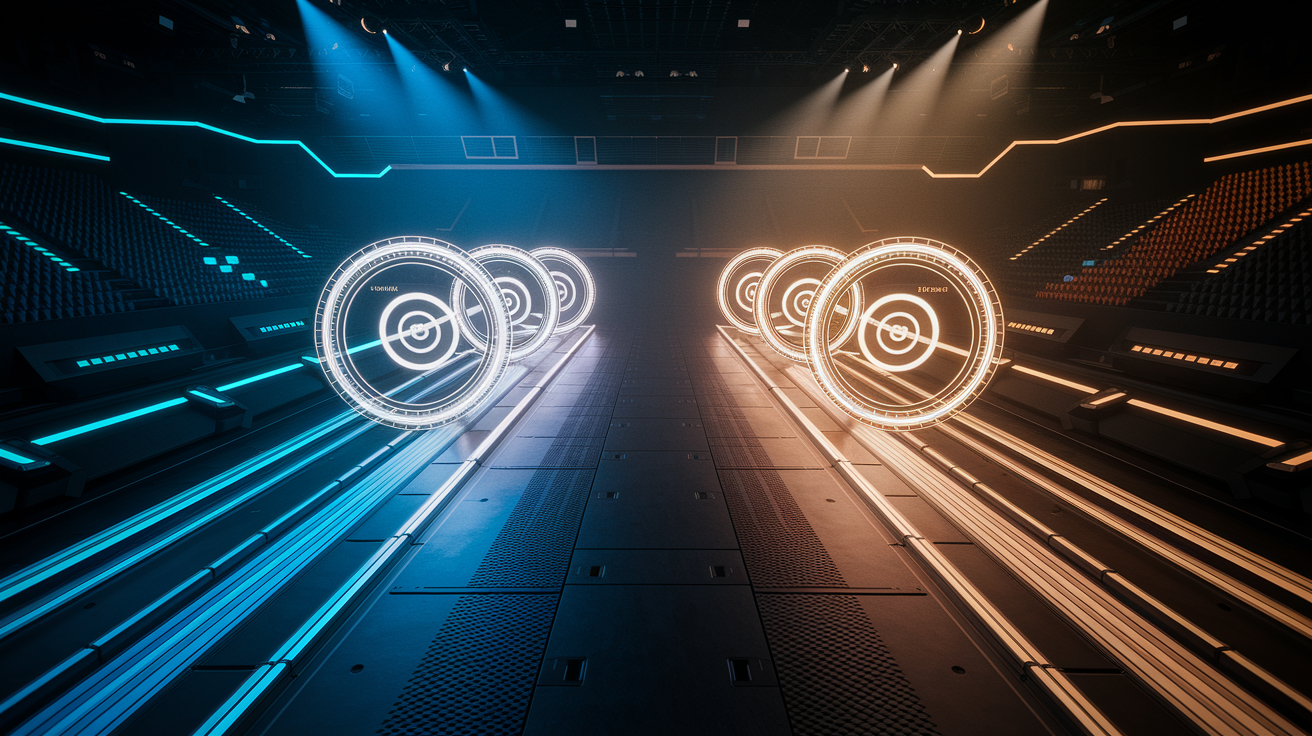
Early‑lane stabilization means you stay near your squishiest teammate for the first two minutes while both teams probe for picks. Your presence makes aggressive dives too risky and lets your ranged player farm safely. Once lanes stabilize, rotate toward the first neutral objective 20 to 30 seconds before it spawns. Set up your barrier and slow‑field to control the capture zone before the enemy arrives.
Mid‑map objective lockdown is where you earn the win. When your team secures the objective, immediately shift from offensive CC to defensive zoning. Place barriers on the two most dangerous approach angles and save your stuns for anyone who tries to force through. If the enemy rotates five players to contest, your job is to stall them for 6 to 10 seconds while your team finishes the capture or your backup arrives. One good stun that buys your squad 3 extra seconds of capture time is worth more than chasing a kill and losing the point.
Rotation timing breakdown:
Flank‑coverage rotation is when your main group is pressuring one lane, you position yourself between your squad and the nearest flank route so you can peel instantly if the enemy tries a wrap.
Late‑fight re‑entry patterns come into play when a teamfight goes bad and your squad scatters. Don’t chase the fight. Fall back to the next choke or objective and set up your CC zone so retreating teammates have a safe rally point.
Objective‑to‑objective cycling happens after securing one point. Rotate to the next predicted spawn 15 seconds early. The enemy will still be regrouping and you’ll control the setup.
Cooldown‑window repositioning means every time your primary stun comes off cooldown, take two steps in a new direction so the enemy can’t lock down your position with pre‑aimed skillshots.
Predictable rotations get you killed. The enemy will learn your pattern after two cycles and start pre‑firing or setting traps. Mix up your timing by 5 to 10 seconds each round and vary which flank you cover.
Situational Loadout Variants for Different Enemy Compositions
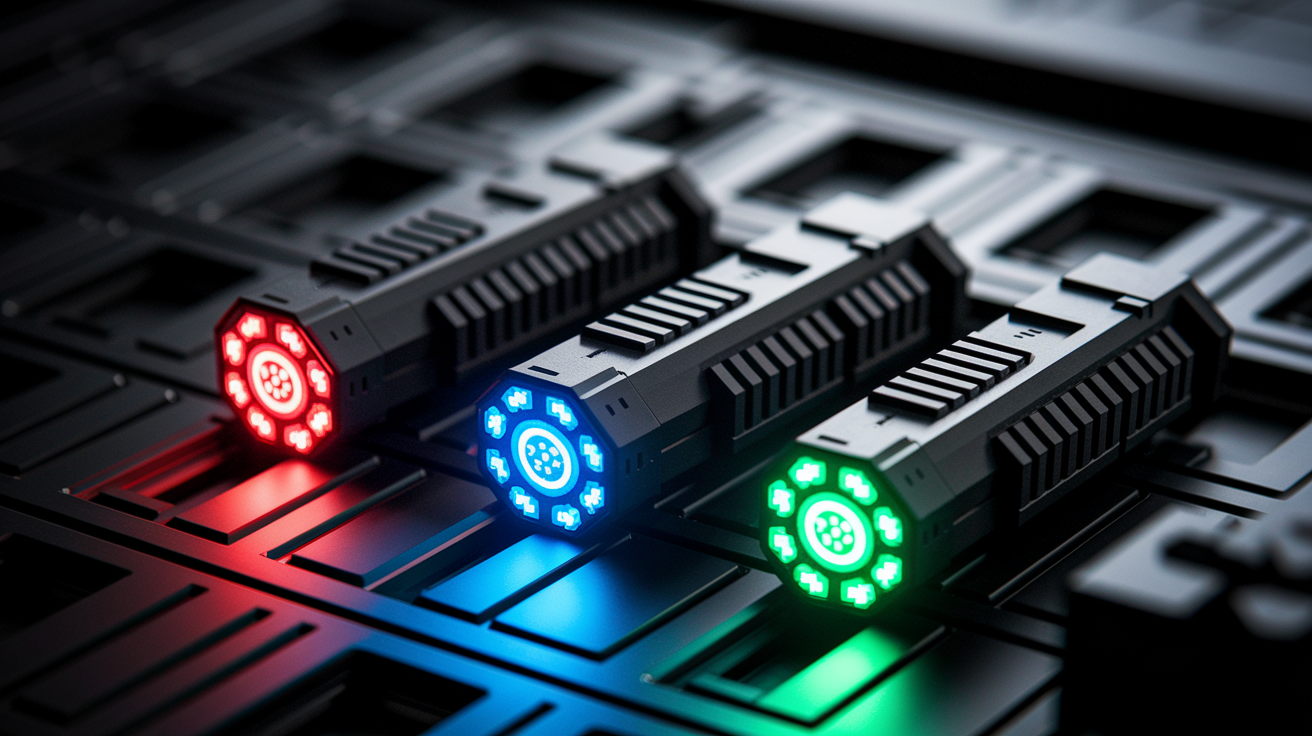
Against assassin‑heavy compositions, swap the Slow‑Field Module for Reactive Stun Pulse, a short‑cooldown burst stun that triggers automatically when an enemy closes within 4 meters. Pair it with High‑Speed Barrier Refresh, which cuts barrier cooldown by 40 percent but reduces barrier HP by 20 percent. You need faster cycling more than thicker shields when assassins are blinking in every 6 seconds. This variant keeps you alive through dive pressure and makes it nearly impossible for their backline killers to stick on your ranged players long enough to secure a kill.
The anti‑tank loadout replaces your standard Barrier Projector with Reinforced Slow‑Field Emitter, which stacks movement speed reduction up to 60 percent on targets that stay inside for more than 2 seconds, and adds Armor‑Break Debuff Module to reduce enemy damage resistance by 18 percent for 5 seconds after they take CC. Tanks rely on soaking damage and creating space. This setup turns their durability into a liability by making them easier to burn down while stuck in your zone. Use this when the enemy runs double tank or a single unkillable frontline that your team can’t break without amplified damage.
When facing ranged‑poke compositions that sit outside your normal CC range, load Long‑Reach Disruption Tether, which applies a 2.5‑second silence and pulls enemies 8 meters toward your position. Combine it with Extended Barrier Wall, a narrow high‑HP barrier that stretches 12 meters horizontally to block sightlines and force the enemy to reposition if they want to keep shooting. This variant flips the script on poke comps by dragging their backline into your kill zone or forcing them to waste time walking around your walls instead of dealing free damage.
| Loadout Variant | Key Tools | Best Use Cases |
|---|---|---|
| Anti‑Assassin | Reactive Stun Pulse, High‑Speed Barrier Refresh | Enemy team runs 2+ dive assassins or high‑mobility flankers |
| Anti‑Tank | Reinforced Slow‑Field Emitter, Armor‑Break Debuff Module | Enemy frontline is unkillable or double‑tank composition |
| Anti‑Ranged | Long‑Reach Disruption Tether, Extended Barrier Wall | Enemy stays at long range and pokes, avoids close fights |
Final Words
Mid-fight you drop the stun emitter, chain a slow-field, and pin enemies to your barrier.
That’s the plan we built: stun emitter, barrier projector, slow-field module, and energy stabilizer. Sync stuns with your tank, call 2-4 second lockdowns, anchor choke points, and rotate to objectives on the clock.
Take this crowd-control support loadout for five-man teams into your next session. Start with the base build and swap for anti-assassin or anti-tank when needed. It makes fights cleaner and helps your team close out wins.
FAQ
Q: What is the optimal support crowd-control loadout for a five‑man team?
A: The optimal support crowd‑control loadout for a five‑man team is stun emitter, barrier projector, slow‑field module, and energy stabilizer — lock targets, protect allies, prolong CC uptime, and sustain casts for follow‑up.
Q: Why pick stun emitter, barrier projector, slow‑field module, and energy stabilizer?
A: Choosing those four tools gives constant lockdown, instant peel, movement denial, and resource uptime — together they maximize control windows and let teammates convert crowd control into kills safely.
Q: Which perks and mods best enhance a CC support build?
A: The best perks and mods increase stun duration, cooldown reduction, survivability, and area scaling — pick duration stacks, global CD shave, shield regen on hit, threat dampening, range boosts, and field expansion.
Q: How should a CC support synchronize abilities with the team?
A: A CC support should sync stuns, slows, and barriers with tank engages and ranged burst — call the lockdown, drop the barrier as they commit, then layer slows so teammates land damage during the 2–4 second window.
Q: What are the timing windows for effective lockdown combos?
A: Effective lockdown combos use 2–4 second windows — start with a stun, immediately apply slows, then commit barrier and allied burst; that timing denies mobility and forces predictable enemy movement.
Q: What positioning principles maximize control impact?
A: Positioning principles for control prioritize choke anchoring, off‑angle barrier placement, denial of retreat paths, projecting slow fields from high ground, and maintaining safe stun distance so you survive counterplay.
Q: How should I rotate around the map as a CC support?
A: CC supports should follow rotation cycles: early lane stabilization, mid‑map objective lockdown, flank‑coverage rotation, and late‑fight re‑entry — prioritize predictable objectives and arrive before fights start to set the tempo.
Q: When should I use an anti‑assassin, anti‑tank, or anti‑ranged variant?
A: Use anti‑assassin when you need reactive stun pulses and fast barrier refresh, anti‑tank for reinforced slow fields and armor‑break emitters, and anti‑ranged for long‑reach disruption tethers to interrupt poke and zoning.
Q: How does this CC loadout act as the anchor for team control?
A: This CC loadout anchors team control by creating reliable lockdown windows, forcing enemy positioning, and enabling coordinated bursts — it sets the engagement terms so teammates can play aggressively with less risk.
Q: What common mistakes ruin a CC support build and how do I fix them?
A: The most common mistakes are holding CC too long, misplacing barriers, and poor positioning; fix by committing stuns earlier, using off‑angle barriers, and maintaining safe distance while still threatening key choke points.