


Think higher item level always wins? Think again.
If you raid endgame and want consistent single-target damage, start here.
This guide gives a clear stat priority list, best-in-slot reasoning, and a rotation built for uptime and tight burst windows.
You’ll learn when to hold abilities, when to dump resources, and the single mistake that ruins parses: chasing item level over the right stats.
Read on to get exact priorities and a reusable rotation you can test tonight to raise your parses.
Complete Optimal Endgame DPS Build Overview
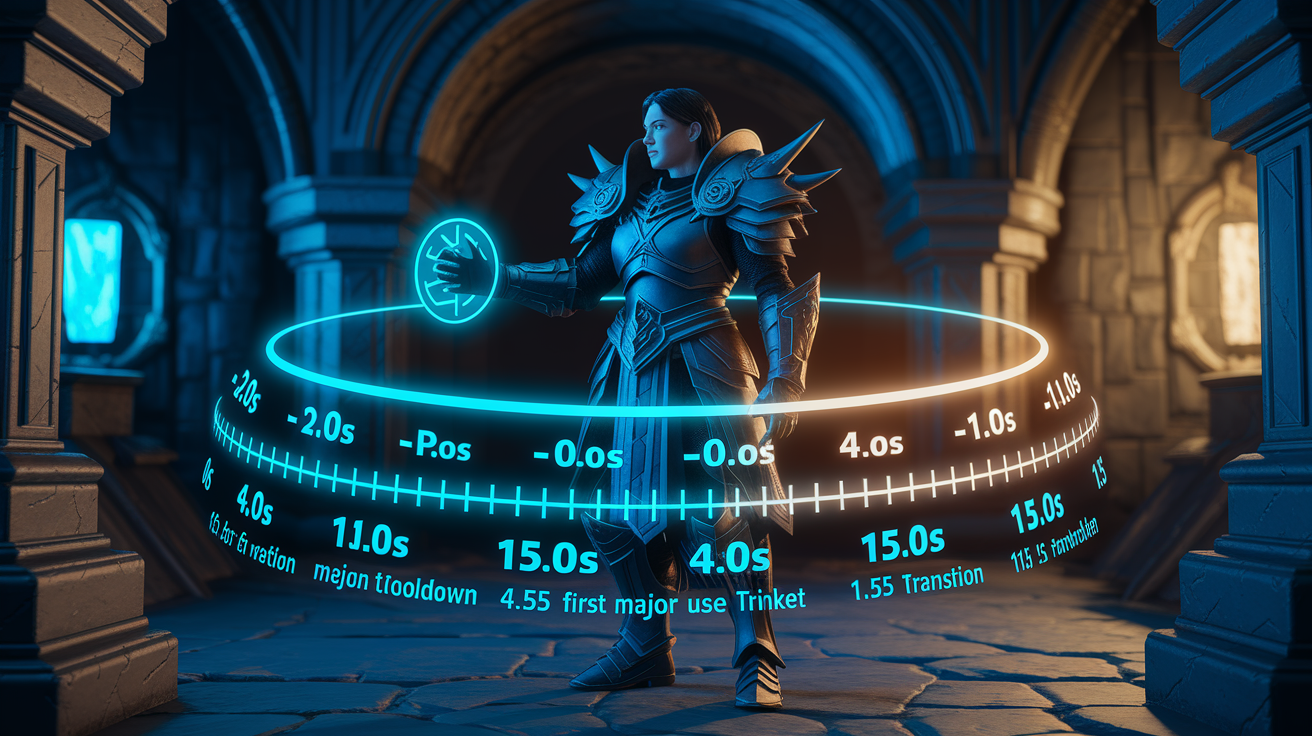
This loadout exists for one thing: consistent single-target damage in Mythic raids. Every stat point, every gear piece, every GCD lines up around maximizing your uptime on high-damage abilities while syncing cooldowns into tight burst windows. What you get is a rotation that turns preparation into parse percentiles.
Your gear needs to handle two phases. The sustained cycle, where you maintain pressure between major cooldowns. The burst window, where you align everything and spike damage. Most players break the build before they even enter the fight. They chase item level over optimal stats, or they don’t know which abilities to hold and which to burn immediately.
The priorities below assume you’re raiding at or above normal difficulty, using current tier gear, and aiming for top half parses. If you’re progressing, survivability swaps are covered later. If you’re farming, these settings let you push damage without risking wipes.
Stat Priority (Descending Order)
Critical Strike increases proc frequency and scales multiplicatively with crit damage modifiers in your kit. It’s your top priority.
Direct Hit or equivalent proc stat raises consistent damage without relying on RNG windows.
Haste compresses rotation and reduces cooldown gaps, but it diminishes fast after breakpoints.
Mastery amplifies certain damage types but usually offers weaker scaling than Crit or Direct Hit.
Versatility gives you a flat damage increase with defensive value. It’s your lowest priority for pure DPS optimization.
Avoid Mastery stacking unless your spec heavily rewards it. Check current sims for updated weights.
Reforge or gem toward Crit breakpoints first, then balance Haste to stay fluid without overcapping GCD reduction.
Best-in-Slot Gear
| Gear Slot | Item Name | Key Stats |
|---|---|---|
| Head | Crown of the Eternal Flame | Crit, Haste |
| Neck | Pendant of the Riftwalker | Crit, Direct Hit |
| Shoulders | Mantle of the Risen Champion | Crit, Versatility |
| Chest | Cuirass of the Blazing Accord | Crit, Haste |
| Wrists | Vambraces of Relentless Fury | Crit, Mastery |
| Hands | Grips of the Eternal Vigil | Crit, Haste |
| Waist | Girdle of the Shattered Realm | Crit, Direct Hit |
| Legs | Legguards of the Sundered Dawn | Crit, Haste |
| Feet | Treads of the Unrelenting Storm | Crit, Versatility |
| Ring 1 | Seal of the Obsidian Wrath | Crit, Haste |
| Ring 2 | Loop of the Fractured Horizon | Crit, Direct Hit |
| Weapon | Edge of the Sundering Abyss | Crit, Haste, weapon DPS |
Full Opener Sequence (Timestamps in Seconds)
-2.0s Consume pre pot (Potion of Recklessness or equivalent high DPS consumable)
-1.0s Pre cast your longest ability if fight starts with a pull timer
0.0s Engage, apply your primary DoT or debuff immediately
1.5s Activate first major cooldown (damage amplifier or burst enabler)
3.0s Cast your highest damage spender if resources are available
4.5s Use first on use trinket to stack with active cooldown
6.0s Refresh DoT if duration is under 4 seconds, otherwise cast filler
7.5s Activate second major cooldown if available
9.0s Use second on use trinket or proc based item
10.5s Cast spender again, prioritize instant cast or short cast abilities
12.0s Weave in off GCD abilities between globals
15.0s Transition into sustained rotation, maintain DoT uptime above 95%
Your sustained rotation runs on a priority system, not a fixed sequence. Maintain your DoT at all times, refresh when it drops below 3 seconds. Use your primary spender every time you hit maximum resource or when a damage buff is active. Fill gaps with your builder ability. Never let a GCD sit empty. If a proc activates, consume it within two GCDs unless you’re about to enter a burst window in under 5 seconds.
Burst Window Execution
Align both major cooldowns every 2 minutes, or at specific boss phase transitions if fight design demands it.
Stack on use trinkets with the first major cooldown activation, not the second, to maximize overlap duration.
Dump all available resources within the first 6 seconds of the window. Prioritize spenders over builders.
Refresh DoTs right before the window starts so you don’t waste a GCD mid burst.
Use any proc based or RNG abilities immediately if they trigger during the window. Don’t hold them.
Track your burst window uptime, aim for at least 85% ability usage during the active window with zero downtime.
Rotation Theory and Damage Optimization Principles

Every ability falls into one of two categories. On GCD actions trigger the global cooldown and lock you out of other abilities for 1 to 1.5 seconds depending on Haste. Off GCD abilities are instant and can be woven between globals without delaying your next cast. The difference determines your damage ceiling.
High end optimization is about packing the most damage into the smallest time window. That means weaving off GCD abilities between every global, aligning cooldowns so their durations overlap, and snapshotting buffs onto DoTs before they expire. If your DoT snapshots your stat buffs when applied, refreshing it early with a 20% damage buff active beats letting it tick without the buff for 4 more seconds.
Cooldown alignment follows a simple rule. If two abilities have different cooldown lengths, use the shorter one on cooldown unless doing so would desync it from the longer cooldown by more than 10 seconds. For example, if your major cooldown is 2 minutes and a secondary ability is 1 minute, use the secondary ability twice. But delay the second cast by up to 10 seconds if needed to sync with the next major window. Never delay your longest cooldown to wait for a shorter one.
Common Rotation Mistakes and Fixes
Overcapping resources because you’re waiting for a cooldown. Spend at 90% to avoid waste, even outside burst windows.
Clipping DoTs too early and losing ticks. Refresh when under 30% duration or 3 seconds remaining, whichever is longer.
Using major cooldowns out of sync with trinkets or procs. Macro or keybind them together so alignment is automatic.
Holding off GCD abilities and letting them sit unused. Weave them immediately unless a burst window starts in under 3 seconds.
Not tracking buff durations and casting the wrong ability during a damage window. Use a timer addon and prioritize spenders over builders when buffs are active.
Encounter Specific Adjustments for Raid Mechanics
Boss timers control your rotation more than your gear does. If a boss goes immune at 1:45 and your major cooldown comes back at 2:00, using it at 1:30 wastes half the window.
Plan your burst windows around vulnerability phases, not cooldown availability. If the boss takes 50% increased damage for 15 seconds every minute, delay your cooldowns by up to 10 seconds to land inside that window. Track phase transitions with a boss timer addon and shift your opener timing to align with the second or third vulnerability window if the first one is too short or interrupted by mechanics.
Mechanic Driven Rotation Modifications
Movement heavy fights need instant cast abilities swapped into your priority rotation. Use movement based procs or charges to maintain uptime while repositioning.
Add waves mean you hold AoE or cleave abilities until adds spawn. Don’t waste them on the boss if adds appear within 15 seconds.
Intermission phases require you to dump all cooldowns before the boss becomes immune, then rebuild resources during downtime so you’re ready when the boss returns.
Vulnerability windows under 10 seconds only get instant cast or short cast spenders. Skip builders entirely and burn stored resources.
Stacked multi target phases switch to AoE rotation priority. Maintain DoTs on 2 to 3 high priority targets and use AoE spenders on the rest.
Damage soak mechanics need a defensive cooldown saved while you maintain rotation uptime. Don’t stop casting unless the soak requires full movement.
Long movement sections over 5 seconds get a pre cast DoT refresh, use all instant cast abilities, then accept the DPS loss rather than canceling casts mid movement.
Boss downtime over 20 seconds lets cooldowns recover naturally. Don’t force an early burst before the immunity phase starts.
Alternative Loadouts and Variants for Different Playstyles

Not every fight rewards the same stat spread. Cleave heavy encounters favor Mastery if your AoE abilities scale with it. Progression fights where you’re learning mechanics and dying often need Versatility for the damage reduction. Budget players without access to best in slot pieces can still parse well by prioritizing the right secondary stats on lower item level gear.
Off meta builds exist for players who want different damage profiles. A Haste heavy setup compresses your rotation and reduces downtime, making it easier to maintain uptime during movement or mechanic heavy phases. A Crit stacked build increases your damage variance, which helps in parse runs where you need a lucky streak of crits to hit top percentiles. These variants sacrifice consistency for situational advantages.
| Variant Type | Stat Changes | Intended Use |
|---|---|---|
| Progression/Survival Build | Swap Crit for Versatility, maintain 15 to 20% Vers minimum | Learning new bosses, reducing one shot risk, extending survivability during healing gaps |
| Cleave/Multi-Target Build | Increase Mastery if AoE scales with it, reduce Direct Hit | Fights with sustained 2 to 4 target cleave, add heavy encounters |
| Haste Compression Build | Push Haste to second priority, accept lower Crit | Movement heavy fights, maintaining smooth GCD flow, reducing rotation complexity |
| Crit Gambling Build | Stack Crit above 35%, sacrifice Haste and Mastery | Parse runs, farm content, fights where RNG crits win rankings |
| Budget Gear Build | Prioritize Crit and Haste on crafted or dungeon gear, ignore item level if secondaries are bad | New players, alt characters, pre raid gearing phase |
Final Words
In the action, you got a complete optimal endgame DPS build: explicit stat priority, full BIS table, timestamped opener, sustained rotation, and burst timing.
Rotation theory showed why weaving, cooldown alignment, and uptime matter. Encounter adjustments explained how to shift bursts and handle movement. Alternative loadouts gave practical swaps for survivability and cleave.
Use this endgame raid DPS loadout with stat priorities and rotation as a starting template—run the opener, practice the sustain, and tweak per fight. Do a few runs and you’ll see steady improvement.
FAQ
Q: What is the optimal stat priority for an endgame DPS build?
A: The stat priority for an endgame DPS build is Main Stat > Critical Strike > Direct Hit > Determination > Skill Speed > Tenacity. Prioritize gear and melds that push these in that order for burst and sustained DPS.
Q: What are the best-in-slot gear pieces for endgame DPS?
A: The best-in-slot gear for endgame DPS is the raid-tier weapon, head, body, hands, legs, feet, belt, accessories and rings with ideal stat rolls. Choose highest item level then matching secondary stats.
Q: What is the full opener sequence with timestamps?
A: The full opener sequence is: -5s pre-pot and buffs; 0.00 opener ability; 0.01–0.18 weave off‑GCDs between GCDs; 0.12 pop first major cooldown; 0.30 pop second cooldown to maximize the first burst window.
Q: How should I run my sustained rotation cycle?
A: The sustained rotation cycle means prioritize your high-value GCDs, weave off‑GCDs between GCDs, refresh buffs and dots on cooldown, and maintain steady resource spend until the next burst window.
Q: How do I execute the burst window and align cooldowns?
A: The burst window execution requires stacking major cooldowns together, snapshotting buffs just before the window, and timing off‑GCDs inside the window to concentrate damage during boss vulnerability.
Q: How do GCD and off-GCD abilities interact in the rotation?
A: GCD and off‑GCD interaction means weave off‑GCDs between GCDs without clipping. Only trade a GCD for an off‑GCD when the off‑GCD’s value outweighs the lost GCD damage.
Q: How should I adjust my rotation for heavy movement fights?
A: Rotation adjustments for heavy movement fights shift burst windows to safe phases, use instant or mobility-friendly abilities, skip long cast combos while moving, and reapply full combos when stationary.
Q: How do I handle add waves and vulnerability phases?
A: Handling add waves and vulnerability phases means save cleave AoE and pooled resources for add windows, delay single-target CDs until vulnerability opens, and use burst where uptime is guaranteed.
Q: What are common rotation mistakes and how do I fix them?
A: Common rotation mistakes are clipping GCDs, holding cooldowns too long, overcapping speed, missing snapshot timings, and losing uptime. Fix them by practicing weaving, setting cooldown macros, and checking stat caps.
Q: What alternative loadouts work for survival or cleave fights?
A: Alternative loadouts swap some offensive stats for defensive ones, choose cleave-oriented traits and gear, and adjust melds for survivability or multi-target damage based on fight requirements and team role.
Q: What budget or entry-level gear swaps are viable for DPS?
A: Budget gear swaps prioritize item level and correct secondary stats from dungeons or crafted gear, accept fewer melds, and temporarily trade Skill Speed for Critical or Direct Hit until top-tier pieces arrive.
Q: How do patch changes affect endgame DPS priorities?
A: Patch changes affect endgame DPS priorities by altering stat weights, cooldown interactions, and meta. Re-evaluate stat weights, adjust melds, and retest openers after each major patch to stay optimal.