


Think mulligan matters more than your topdecks? It does – Tempo Mage lives or dies on the first three turns.
This guide gives clear, reusable rules: what to keep, when to toss draw or greedy pieces, and how to set up board-flipping swing turns.
You’ll get matchup-specific keeps, exact early-game sequences, and simple decision rules for mid-game trades and burn.
Read on to stop wasting mana, force the right trades, and turn one cheap spell into a game-ending tempo swing.
Core Mulligan Priorities for Tempo Mage

Your mulligan decides whether you’re curving out turns one through three or floating mana and falling behind. Tempo Mage lives on early board presence. You need it to activate spell synergies and snowball pressure. Every turn you waste mana costs you the initiative, and recovery gets harder.
Cheap spells and efficient minions are what you’re keeping. Cards that cost one or two mana let you develop while banking resources for later turns. When your opener includes a minion that grows from spell casts, every cheap spell becomes a tempo tool instead of just removal. Against aggro you need cards that contest their early drops without tanking your mana efficiency. Against slower decks you can keep one draw tool or a slightly greedier curve piece, but only if the rest of your hand supports actual plays on turns one through three.
Curve consistency beats dream combos. A hand with plays on turns one, two, and three will beat a hand with a powerful turn four play and nothing before it. Synergy pieces like spell damage or cost reduction only belong in your opener if you already have spells to activate them. Keeping a minion that needs three spells to generate value when you’re holding zero spells? That’s a trap.
Core keeps for most matchups:
- One drops that develop board and set up spell synergy
- Cheap removal that handles early threats while triggering minion effects
- Two mana minions that contest board without needing combo pieces
- A single draw tool against control if your early curve is already there
- The Coin evaluated as a way to complete specific curve sequences, not a bandaid for bad openers
Matchup-Specific Mulligan Adjustments

Your opponent’s archetype changes which cards are playable in the first three turns. Against aggro you’re looking for survival and board contests. Against control you can prioritize draw and pressure tools because you won’t see meaningful early threats. Midrange sits between the two and rewards flexible cards that work in multiple scenarios.
Aggressive opponents force you to mulligan for immediate answers. Cheap removal and sticky minions that trade well become hard keeps. You can’t afford to hold draw tools or late game value when a Hunter or Paladin will kill you by turn six if you skip early development. Keep every card that lets you spend mana on turns one through three while affecting the board.
Control matchups let you keep one or two slower cards if your base curve is intact. A draw spell or a minion that scales into the mid game becomes more valuable than raw early tempo. You still need playable cards for the first few turns, but you can throw back purely defensive tools that only answer aggro. Midrange opponents punish both extremes. Default to the most universally playable cards in your deck and skip situational pieces.
| Opponent Type | Priority Keeps | Cards to Toss |
|---|---|---|
| Aggro | Cheap removal, one drops, sticky two drops, any card that contests their board by turn three | Draw tools, late minions, conditional combos, cards that need the game to already be stable |
| Midrange | Independently strong early plays, flexible removal, curve filling minions that don’t need setup | Narrow tech cards, greedy value pieces, expensive finishers |
| Control | Proactive minions, one draw tool if curve is solid, scaling threats that survive single target removal | Purely defensive cards, expensive AoE answers, tech aimed at fast decks |
Tempo Fundamentals and Curve Management

Tempo means spending all your mana every turn to develop threats while removing opposing ones. Floating mana is expensive. Unused crystals on turn two or three often decide whether you’re ahead or behind by turn five. Tempo Mage uses cheap spells and cost reduction to play more cards per turn than opponents can answer.
Proactive development beats reactive waiting. Playing a minion forces your opponent to have an answer. Passing with mana floating gives them initiative. Even a mediocre two drop that dies to their three drop has value if it forced them to spend mana clearing instead of developing their own plan. Trading is correct only when it snowballs your advantage or prevents immediate lethal. Otherwise you’re giving up pressure to play safe.
Four core tempo principles for every game:
- Spend all mana every turn unless floating sets up a significantly better next turn. Efficiency compounds.
- Develop proactively when ahead or even on board. Make them have the answer instead of playing scared.
- Convert mana into cards or damage as efficiently as possible. A two mana spell that removes a three mana minion generates tempo.
- Retain initiative by forcing trades on your terms. When you dictate combat you control the pace.
Early Game Sequencing for Maximum Pressure
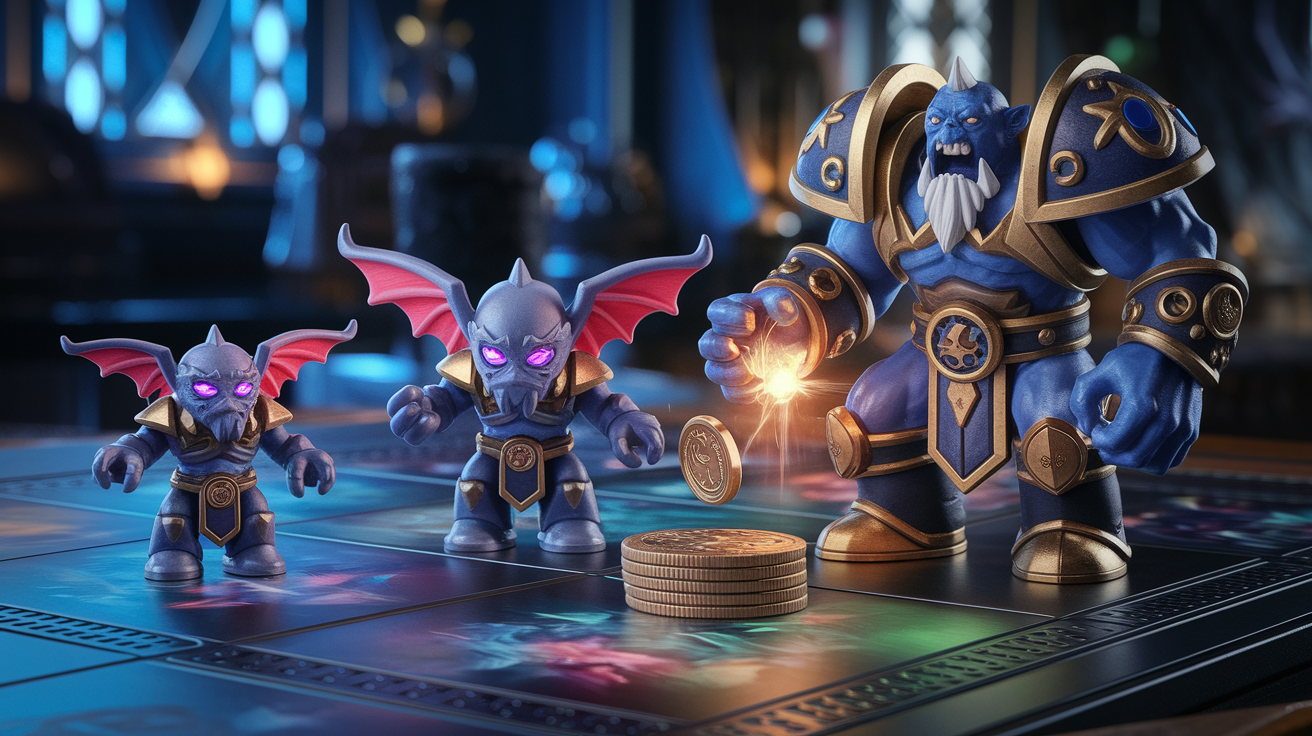
The order you play cards matters as much as which cards you keep. A one mana minion that grows when you cast spells should hit the board before you cast those spells. Playing the spell first wastes the buff trigger. If you have a two mana minion and a one mana spell on turn three with the Coin, casting the spell before the minion can activate discount effects or spell damage before you commit the larger body.
Plan your first three turns before you lock in your mulligan. If your hand is a one drop, a three drop, and a Coin, you need to decide whether to Coin the three drop on turn two or hold the Coin to enable a bigger turn four. That decision changes which other cards you keep. A hand that curves one into two into three is almost always stronger than a hand trying to skip turn two for a Coined power play. Unless that power play is a true game winner like a board clear plus development.
Sequencing around opponent interaction means predicting their likely turn. Against a Paladin you expect Divine Shield minions and Muster for Battle tokens. Using your random damage spell after they commit to the board is better than firing it into an empty board on turn one. Against a Warrior you expect weapons and armor, so freezing their face or denying weapon value with sticky minions has more impact than just playing for raw stats. Always ask what punishes your opponent’s most likely next play before you commit your mana.
Tempo Swing Turns and Power Spike Opportunities

Swing turns happen when you flip a losing board into a winning one in a single turn. Tempo Mage creates these moments by discounting multiple spells or combining cheap removal with minion development. A turn where you clear two or three of their minions and put two of your own into play can decide the entire match.
The most common swing setup is a mana discount effect plus multiple cheap spells. Reducing spell costs by one or two mana lets you chain together removal and minion plays that would normally take two or three turns. You clear their board, develop your own, and leave them topdecking for answers. These turns need setup. You need the discount minion to survive a turn or you need the Coin to play everything in one sequence. But when they land, the game is usually over.
Example Swing Turn Breakdown
You’re on turn four with the Coin, facing two enemy minions with three health each. You have a spell damage minion in hand, two one mana damage spells, and a three mana minion. The correct line is Coin into the spell damage minion, cast both cheap spells to clear the enemy board while the spell damage boosts them from two damage to three, then play the three mana body. You’ve spent five mana to remove two threats and develop two minions. Your opponent now needs a board clear or multiple answers, and you still have the initiative. Missing this sequencing by playing the three drop first leaves their minions alive and loses you the turn.
Mid Game Decision Trees and Resource Allocation
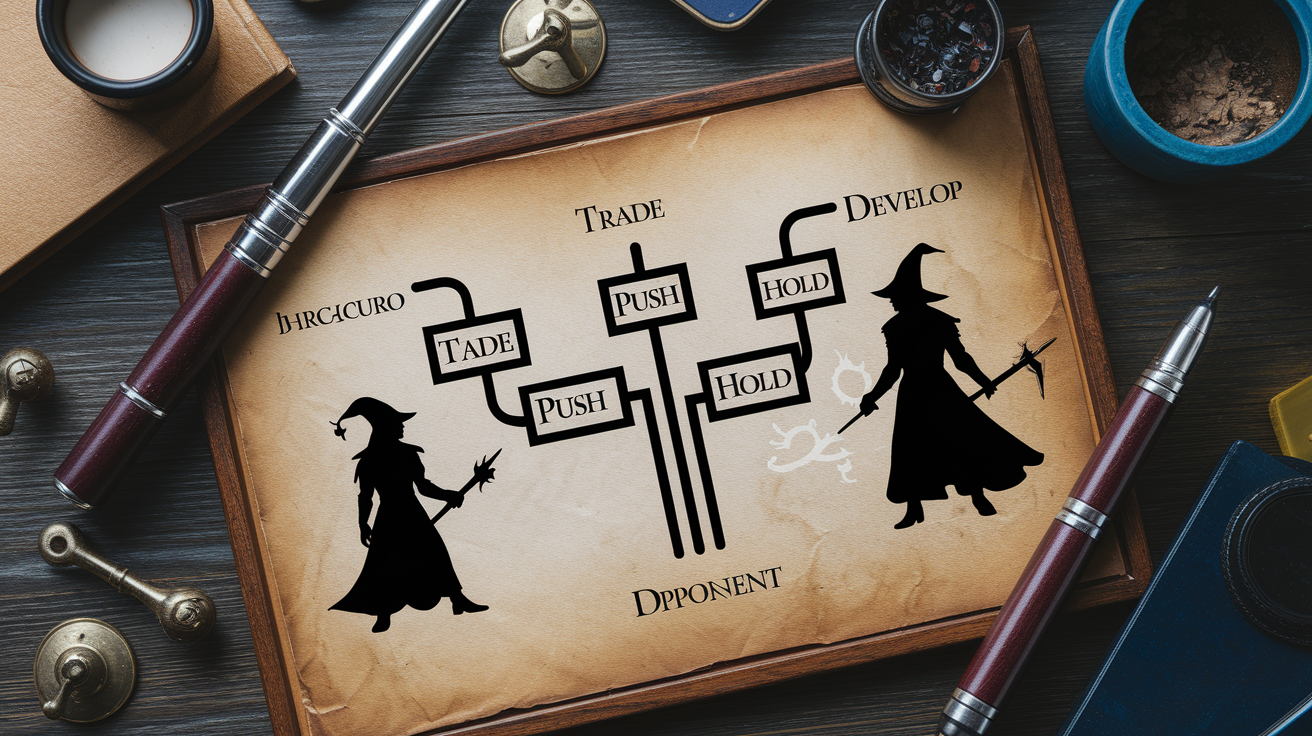
Turns four through seven force you to choose between pushing damage, trading for board control, or holding resources for a future combo. The correct choice depends on your remaining health, your opponent’s likely answers, and whether your deck wins through sustained pressure or a specific finish. Every card you commit to the board is one fewer card for later turns. Spending your hand to gain ten damage when your opponent is at twenty five life can leave you with no follow up when they stabilize.
Trading minions removes immediate threats but costs you pressure. When you’re ahead on board and your opponent is low on cards, going face and forcing them to trade into you is usually correct. They’re burning their resources to survive while you’re building toward lethal. When you’re behind or even, you often need to trade to prevent them from snowballing their own advantage. The decision point is simple but easy to misjudge. If they can’t punish you for ignoring their board, go face. If they can, trade and reset.
Committing removal spells versus holding them for bigger threats separates good Tempo Mage players from average ones. Using a direct damage spell to remove a two mana minion on turn three might feel efficient, but if that spell was your only answer to their six mana finisher you’ve just lost the game. When your removal is limited, save it for targets that threaten lethal or swing the board beyond recovery. When you have redundant answers, use the cheapest one now and save the flexible one for later.
Four major mid game decision points to evaluate every turn:
- Trade or push: am I ahead enough to ignore their board, or do I need to contest every minion?
- Commit removal now or later: does this threat need my best answer, or can I use a cheaper tool?
- Hold burn for lethal or use for tempo: can I close the game in two turns, or do I need this spell to survive?
- Develop or float mana: is playing into their board clear worse than waiting, or does floating mana lose me too much initiative?
Matchup Specific Tempo Tactics
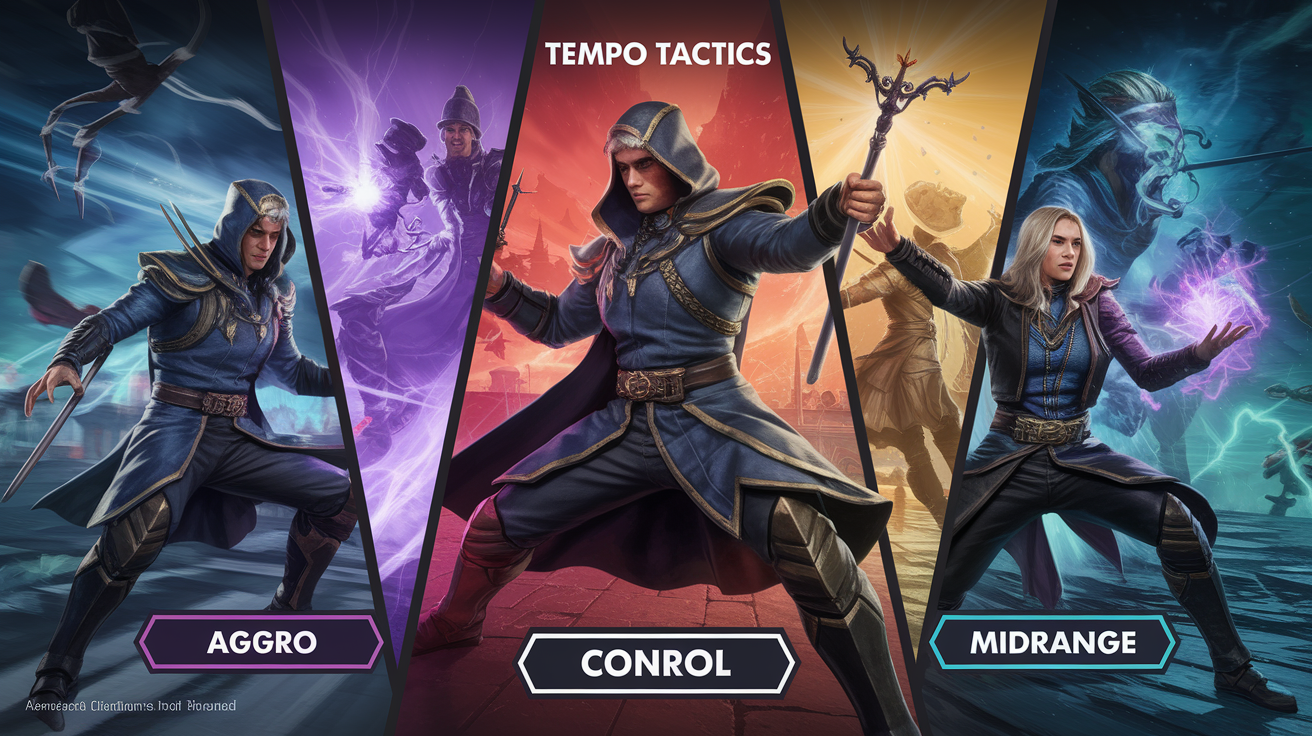
Against aggro you’re the stabilizer. Your goal is to survive the first four or five turns without falling so far behind that their reach damage kills you. Cheap removal and efficient trades matter more than developing your own threats. If you can clear their board by turn five and still have twelve or more life, you’ve usually won because they run out of steam before you do. Use your life total as a resource early. Taking face damage to preserve mana for more efficient future turns is correct if it doesn’t put you in burn range.
Control matchups flip the script. You’re the aggressor and they’re trying to stabilize. Pressure early and often. Every turn they spend without answering your board is damage they can’t recover. Don’t overcommit into obvious board clears, but don’t play so scared that you give them free turns to draw answers. The sweet spot is applying enough pressure to force them to use removal suboptimally while holding back one or two reload cards so you can rebuild after they clear. Going wide with tokens or sticky minions punishes single target removal. Going tall with recurring threats or difficult to remove bodies punishes AoE.
Midrange matchups are board control wars where initiative decides the winner. Whoever establishes board first forces the other player into reactive mode. Trade aggressively in the early turns to prevent them from snowballing minion buffs or synergy chains. Once you’re ahead, shift to developing proactively and making them have the answer. Midrange mirrors are lost by playing too safe and giving up tempo to preserve life total. Your opponent isn’t trying to burn you out. They’re trying to out tempo you. Every turn you play defensively is a turn they’re pulling further ahead.
Key Card Combos and Synergy Packages
Tempo Mage runs several two and three card packages that multiply your effective mana when sequenced correctly. Spell triggered minions turn cheap spells into board development tools. A minion that summons additional bodies or deals damage when you cast a spell converts a one mana removal spell into a two for one trade. Cost reduction effects let you play multiple cards in a single turn, clearing the board and developing your own threats at the same time.
Mana discount minions enable your highest tempo turns. Reducing spell costs by one means a hand of three cheap spells becomes a massive swing turn instead of three separate small plays. The key is keeping the discount body alive for one turn or using the Coin to play it and activate it in the same sequence. When opponents see the discount minion they’ll often burn premium removal on it immediately. That’s fine because you’ve baited out an answer they needed for your finisher. If they ignore it, you win the next turn.
Core Tempo Mage synergy packages:
- Spell damage plus cheap AoE to clear wide boards for one or two mana while developing a minion
- Cost reduction plus chain of cheap spells to remove multiple threats and develop multiple bodies in one turn
- Spell triggered minions plus one mana spells to generate two for one value trades while maintaining board
- Draw minion plus cheap spell sequencing to refill hand mid combat without losing tempo
- Freeze effects plus face damage to stall opponent development while racing to lethal through repeated chip damage
Final Words
In the action, you focused on which cards to keep, how to shape your curve, and the exact sequences that turn cheap spells into board advantage. You also got matchup tweaks, mid‑game decision trees, and clear swing turn examples you can use right away.
Treat this Hearthstone tempo mage mulligan and tempo swing plays guide as a short checklist during mulligan and key turns. Play a few runs, tweak keeps to your local meta, and you’ll start winning more tempo battles and feeling cleaner about your lines.
FAQ
Q: What are core mulligan priorities for Tempo Mage?
A: The core mulligan priorities for Tempo Mage are finding early board tools and cheap spells to snowball tempo, keeping curve plays and spell synergies, and holding removal against aggressive starts.
Q: How should Tempo Mage mulligan change for aggro, midrange, and control?
A: The Tempo Mage mulligan should favor cheap minions and direct removal versus aggro, balanced tempo tools for midrange, and draw plus scaling value pieces versus control to survive and out-value later.
Q: Why is early board presence important for Tempo Mage?
A: Early board presence is important for Tempo Mage because it lets cheap spells and minions snowball damage, forces opponents to react, and creates leads that discounted spells can convert into big mid-game swings.
Q: How do curve consistency and synergy pieces shape mulligan decisions?
A: Curve consistency and synergy pieces shape mulligan decisions by prioritizing one and two mana plays, keeping combo enablers like Mana Wyrm or Sorcerer’s Apprentice, and avoiding awkward high-cost holds that clog early turns.
Q: What are the core keep candidates for Tempo Mage?
A: The core keep candidates for Tempo Mage are Mana Wyrm (early pressure), Sorcerer’s Apprentice (discounts), cheap removal spells like Frostbolt, efficient one-drops, and card-draw tools for slower matchups.
Q: What’s the optimal early-game sequencing for maximum pressure?
A: The optimal early-game sequencing for maximum pressure is develop minions on-curve, cast cheap spells to buff or trigger effects before trading, and save discounts for turn-two or three combos to snowball board advantage.
Q: How does Tempo Mage create mid-game swing turns?
A: Tempo Mage creates mid-game swing turns by using discounted spells and spell-minion combos to clear opponents, develop multiple threats, and convert small early leads into a dominant board state or burst damage window.
Q: What mid-game decision points should Tempo Mage players focus on?
A: The mid-game decision points Tempo Mage players should focus on are trading versus pushing face, committing removal now or holding for combos, conserving burn for lethal, and developing plays instead of floating mana.
Q: What are the key card combos and synergy packages for Tempo Mage?
A: The key card combos for Tempo Mage are Mana Wyrm plus cheap spells, Sorcerer’s Apprentice enabling discounted chains, spell+ping clears like Frostbolt plus minion, and draw-into-burst sequences for mid-game spikes.