


Think your regular loadout will solo Steel Path bosses? Think again.
Steel Path boosts levels by +100 and triples health, shields, and armor.
Bosses won’t care about your old builds.
You need armor strip, steady damage, and survivability that actually holds up under heavy fire.
This guide gives six core frame and weapon loadouts, exact mod choices, and simple decision rules so you know what to swap and when.
Read on for tested builds, quick recovery lines when things go wrong, and fixes that win fights.
Core Steel Path Loadouts for All Boss Encounters
Steel Path throws a flat +100 level boost at every enemy and cranks health, shields, and armor up by 250%. That means bosses hit level 100+ immediately and their health pools basically triple. You can’t just faceroll through this with whatever you had equipped for star chart.
You need armor strip, consistent damage output, and survivability that actually holds up when you’re getting shot. A lot.
Your frame needs crowd control that works, invulnerability you can trigger on demand, or damage reduction that ramps with incoming fire. Adaptation at rank 10 is non-negotiable for most frames because it stacks to 90% reduction as you take hits. Rolling Guard gives you 3 seconds of complete immunity every time you dodge, and the cooldown drops to 7 seconds when it’s maxed. For tank frames like Rhino or Chroma, stack Steel Fiber at rank 10, Umbral Fiber at rank 5 or higher, and Armored Agility to push your effective health into absurd ranges. Ability strength should land between 200% and 300% if you’re running damage frames like Mesa, Saryn, or Excalibur Umbra. Support or tank roles can get away with 150% to 200%. Use Transient Fortitude at rank 10 and Blind Rage at rank 8 to 10 to hit those numbers, then bring Primed Continuity or Narrow Minded if your kit breaks without duration.
Weapons need guaranteed slash procs, viral stacking, or corrosive to cut through the armor. Kuva Hek with a riven and full status tears through bosses in under 10 seconds if you land headshots. Felarx in Incarnon mode forces slash procs on every pellet and treats armor like it doesn’t exist. Tenet Arca Plasmor with radiation and viral hits 100% status before you even factor in multishot, and it clears trash mobs while you’re repositioning. For melee, Nikana Prime or Kronen Prime modded with Condition Overload at rank 5, Blood Rush at rank 10, and Weeping Wounds at rank 5 will stack viral, heat, and slash fast enough to delete health bars in 2 or 3 slide attacks. Always run Hunter Munitions at rank 5 on crit primaries to force slash procs. Always pair viral with heat or corrosive depending on what faction you’re fighting.
Mod your weapons to 100% status before multishot if the weapon can reach it. Shotguns and beam primaries can usually hit this. If the weapon is crit focused, push crit chance above 100% with Point Strike at rank 10 plus a riven or Arcane Avenger, then add Vital Sense at rank 9 and Hunter Munitions. For survivability, use Arcane Grace (two copies at rank 5) on health tank frames or Arcane Energize (two copies at rank 5) on caster frames so you don’t run dry mid fight. Bring energy pizzas regardless. Steel Path boss fights get ugly if you run out of energy halfway through a rotation.
Six builds that work:
| Frame/Weapon | Mod Setup | Why It Works | Forma |
|---|---|---|---|
| Mesa (DPS) | Blind Rage r10, Transient Fortitude r10, Intensify r9, Streamline r9, Primed Continuity r10, Vitality r10, Adaptation r10, Rolling Guard r3 | Peacemaker deletes health bars during exposed windows | 2–3 |
| Rhino (Tank/Buffer) | Steel Fiber r10, Umbral Intensify r5, Umbral Vitality r5, Transient Fortitude r10, Streamline r9, Primed Continuity r10, Iron Shrapnel augment, Stretch r9 | Roar buffs squad damage by 100%+, Iron Skin absorbs everything | 3–4 |
| Saryn (Scaling DoT) | Intensify r9, Transient Fortitude r10, Overextended r5 (negative strength acceptable), Primed Continuity r10, Vitality r10, Regenerative Molt augment, Adaptation r10, Streamline r9 | Spores spread viral and corrosive across entire arenas | 2 |
| Chroma (Elemental Tank) | Umbral Intensify r5, Umbral Fiber r5, Umbral Vitality r5, Blind Rage r8, Streamline r9, Primed Flow r10, Adaptation r10, Rolling Guard r3 | Vex Armor scales damage and armor infinitely as you take fire | 3–4 |
| Kuva Hek (Primary) | Primed Point Blank r10, Hell’s Chamber r5, Blaze r9, Vigilante Armaments r5, Shotgun Spazz r5, 60/60 viral mods (Malignant Force r5, Toxic Barrage r5), Hunter Munitions r5 | 100% status, guaranteed slash procs, deletes bosses in exposed windows | 2–3 |
| Kronen Prime (Melee) | Condition Overload r5, Blood Rush r10, Weeping Wounds r5, Organ Shatter r9, Berserker Fury r5, Primed Fever Strike r10, Virulent Scourge r5, Voltaic Strike r5 | Viral+electric, slash procs on heavy attacks, scales infinitely with combo | 3 |
Lech Kril Steel Path Strategy

Lech Kril’s health bar doesn’t budge until you pop the four coolant tubes on his back. Shooting his armor does absolutely nothing. You have to wait for him to finish certain attacks that leave the glowing tubes exposed for 2 to 4 seconds. The ice wave attack (ground slam that sends frozen shards forward) and the overhead hammer slam both lock him in place long enough to land shots on the tubes. If you’re running a shotgun or high fire rate weapon, you can break all four tubes in a single window if you position behind him during recovery.
After all four tubes are gone, his health bar opens up and he gets angry. Faster attacks, more frequent slams. The same windows still apply, you just get less breathing room between slams. Don’t stand in front of him during this phase. The ice wave travels faster now and covers more of the arena. Use the large crates and angled walls to break line of sight when he winds up the spin attack, then re-engage as soon as he stops moving.
Viral and heat shred his health fastest once the tubes are gone. Corrosive works but it’s slower because his armor value isn’t crazy compared to later Grineer bosses. If you’re solo, bring a mobile frame like Gauss, Volt, or Titania so you can circle strafe during vulnerable windows and stay outside the slam radius. In a squad, one player baits slams while the others focus fire on tubes from safer angles.
Tube break cycle (repeat until all four pop):
- Wait for Lech Kril to start his overhead hammer slam or ice wave ground slam
- Reposition directly behind him as the animation plays (he won’t track mid swing)
- Unload into the glowing tubes for 2 to 4 seconds, then dodge before the next attack starts
Lieutenant Lech Kril & Vor Joint Fight Strategy
This fight stacks Captain Vor’s invulnerability bubble on top of Lech Kril’s tube mechanics. Vor teleports constantly and enters an immune state inside a glowing sphere every 20 to 30 seconds. You can’t hurt him while the sphere is up. It collapses on its own after 8 to 10 seconds, but you can force it down faster by shooting the sphere itself. It has a separate health bar. Kril behaves exactly like his solo fight, cycling slams and exposing tubes.
The arena is smaller than Kril’s solo tile, which means both bosses’ AoE attacks overlap. Vor’s energy beams and Kril’s ice waves can hit you at the same time if you’re not paying attention. Stay mobile. Use the raised platform sections to separate the two. Focus Kril first because his tube break phase is time gated by animations. Vor’s vulnerability windows are frequent and predictable. Break all four of Kril’s tubes, burn his health to zero, then rotate to Vor.
Once Kril is dead, Vor gets more aggressive. More teleports, faster beam tracking, more adds. Clear adds immediately with AoE (Ignis Wraith, Kuva Bramma, Saryn spores) to avoid getting surrounded while you wait for his bubble to drop. Viral and radiation both work on Vor because he has shields and alloy armor. If you’re solo, bring Rolling Guard to dodge his beam lock during bubble downtime.
Tyl Regor Steel Path Strategy
Tyl Regor splits the fight across multiple water filled transition rooms. He spawns in the first arena, takes some damage, dives underwater, then reappears in the next room. Each phase needs roughly 25% to 30% of his health before he moves. He never stands still. Constant dashes, backflips, slides. Hitscan weapons like Fulmin, Stahlta, or Tenet Cycron work better than projectile primaries. Large hitboxes like Arca Plasmor or Cedo also help.
He becomes vulnerable right after three animations. The two handed overhead swing (he raises both arms and pauses for half a second), the water geyser summon (he plants one hand on the ground and a column of water erupts nearby), and the clone spawn telegraph (he kneels and four identical copies appear). During the clone phase, all five versions take damage but only the real Tyl Regor’s health bar moves. The clones die in one hit. If you’re using a frame with auto target abilities like Mesa’s Peacemaker or Mag’s Magnetize, you can ignore the clones and let the ability find the real body.
Water sections slow your movement and reduce jump height. Don’t chase him into deep water. Wait at the transition door and let him come to you, then burst during one of the three windows. He repeats the overhead swing roughly every 12 to 15 seconds, so if you miss the first opening the next one is predictable. Viral and corrosive both strip his armor, but viral with heat kills faster because the heat DoT ticks while he’s dashing and you can’t land direct shots.
Four vulnerability triggers:
- Overhead two handed swing (0.5 second pause at the apex)
- Water geyser ground slam (locks in place for 1 full second while casting)
- Clone spawn kneel (stays still for 2 seconds while clones materialize)
- Post dash recovery (after his 3 dash chain, he stops for 0.8 seconds before next action)
Captain Vor (Solo Variant) Steel Path Strategy
Captain Vor’s solo fight is all about bubble timing. He alternates between an invulnerable state (golden energy bubble) and a vulnerable walking state where he fires his Seer pistol and casts beams. The bubble lasts 6 to 8 seconds and he won’t take damage during it. You can stand inside the bubble and shoot him point blank, and your hits register zero. Wait for the bubble to drop naturally or reposition to avoid his beam while it’s up.
When the bubble collapses, he teleports once (short range blink, usually 5 to 10 meters), then walks toward you while firing. This is your damage window. He’ll teleport again after taking sustained fire for 4 to 6 seconds or after his health drops by roughly 15% to 20%. The teleport resets his AI and he might immediately cast another bubble or keep attacking. Track his teleport direction and pre-aim where he’ll land so you don’t lose the window reacquiring your target.
His energy beam locks onto your last position and sweeps horizontally. It doesn’t track you in real time. Dodge perpendicular to the beam or use Rolling Guard to ignore it. If you’re on a tank frame like Rhino, Inaros, or Nidus, you can face tank the beam and keep shooting. Viral melts his health fastest because he has shields and Ferrite armor. Corrosive works but takes 20% to 30% longer. Bring a secondary with high fire rate like Kuva Nukor or Tenet Cycron to capitalize on short windows between teleports.
Sargas Ruk Steel Path Strategy
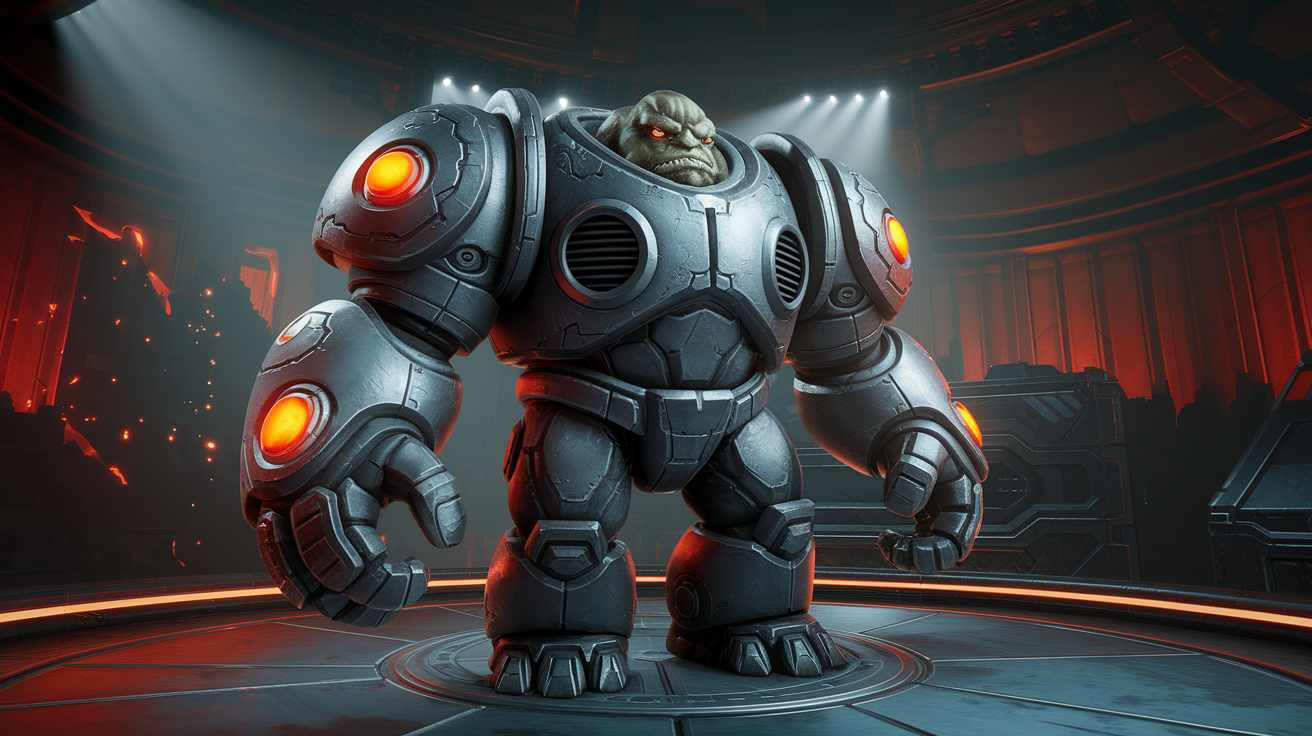
Sargas Ruk has three rotating weak points (left arm, back, chest) that glow orange when vulnerable. Only one is active at a time, and you have to destroy it to force the next damage phase. Shooting his armored body does almost nothing and doesn’t progress the fight. He cycles through the weak points in order (arm first, back second, chest final), then repeats the loop once you chop his health by roughly 33% per cycle.
The arm weak point appears when he winds up his flamethrower (both arms extend forward and flame jets activate). You get 2 to 3 seconds to shoot the glowing sections on his left arm before he stops firing and repositions. The back weak point opens during his mortar barrage (he turns 180 degrees and fires grenades over his shoulder). Circle around and unload into the glowing orange vent on his back. The chest weak point activates when he plants both feet and charges a wide area fire blast. He locks in place for 3 full seconds, the longest damage window of the three.
Stay at mid range (15 to 20 meters) so you can reposition quickly when weak points rotate. Close range puts you inside his flamethrower cone and makes it harder to shoot the back vent. Long range reduces your damage due to falloff (if using shotguns) and makes it harder to see which weak point is glowing through the fire effects. Viral with heat is best because the heat procs stack with his own fire DoT, and viral strips his health once armor is gone. Corrosive works but it’s slower. If you’re using a crit weapon, go for headshots between weak point phases to chip his health while waiting for the next glow cycle.
General Sargas Ruk (Nightmare Variant) Differences
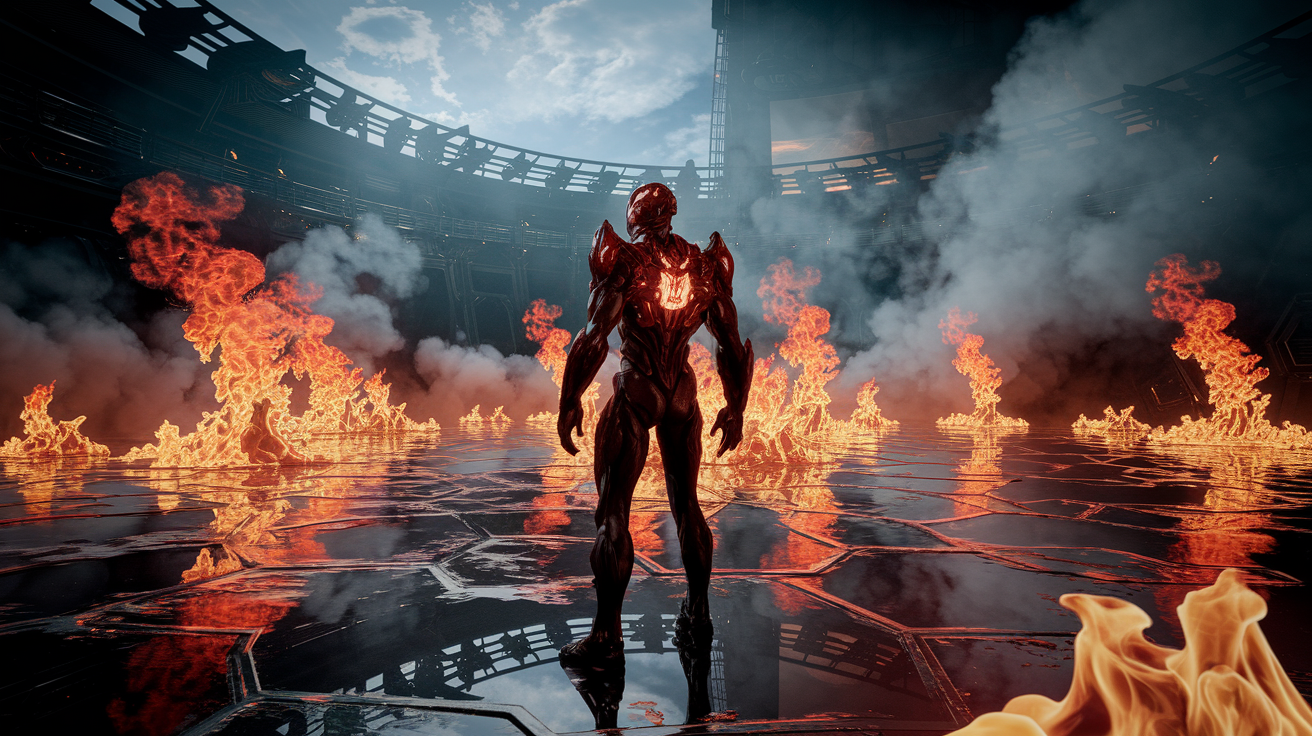
Nightmare mode adds fire hazards that cover more of the arena floor. Pools of flame appear under your feet every 8 to 10 seconds and stick around for 5 seconds before fading. These deal minor DoT (100 to 200 damage per tick on Steel Path) but stack with Sargas Ruk’s own attacks and can stagger you if you stand in multiple pools. The weak point rotation and attack patterns are identical to normal. The fire zones just force you to move more.
Visibility drops because the entire arena fills with fire particles and smoke. Weak points still glow orange, but it’s harder to see through the visual clutter. Bump your brightness settings or use a scanner overlay (Helios with Investigator precept) to highlight Ruk’s model. If you’re solo, bring a high mobility frame like Nezha, Gauss, or Volt so you can dodge fire pools without losing DPS uptime on weak points. Nightmare mode doesn’t boost his health or armor, it just extends the fight by 30 to 60 seconds due to repositioning time.
Ambulas Steel Path Strategy

Ambulas spawns in waves. Two units first wave, three second wave, four final wave. Each unit has to be damaged to zero health (not killed outright), which forces it into a disabled state. While disabled, you have 30 seconds to hack the console on its back. Successful hacks send the unit to extraction via dropship. Failed hacks or expired timers let the Ambulas reboot with 50% health and rejoin combat. If any Ambulas reboots, reinforcements spawn (Corpus Techs, Scrambus, Nullifier Crullers).
The vulnerability window is short. Ambulas units have heavy armor and high shield regen, so you need sustained DPS or guaranteed slash procs to push them into disabled state quickly. Viral with heat works best because viral halves their health and heat procs stop shield regen. Corrosive strips armor but doesn’t stop shields from coming back. Use a high fire rate weapon like Trumna, Basmu, or Convectrix, or forced slash procs like Felarx or Kuva Hek with Hunter Munitions to burn through the health bar in 10 to 15 seconds per unit.
Hack the Ambulas immediately after disabling it. Don’t wait to clear adds first. Adds keep spawning until you extract the disabled unit. Bring a frame with invisibility (Loki, Ivara, Ash) or damage immunity (Rhino with Iron Skin, Nezha with Warding Halo) so you can hack without getting staggered by Techs or drained by Scrambus auras. If you’re in a squad, assign one player to hacking duty and three to add control. Solo players should use Rolling Guard to ignore damage during the hack prompt.
Hacking sequence (repeat per wave):
- Disable all Ambulas units in the wave as fast as possible using viral+heat or slash proc weapons (10 to 20 seconds per unit)
- Hack the nearest disabled unit first while using invisibility or immunity to avoid interruption (6 second hack timer)
- Ignore reinforcements entirely until all units in the wave are extracted, then clear adds before the next wave spawns
Kela De Thaym Steel Path Strategy
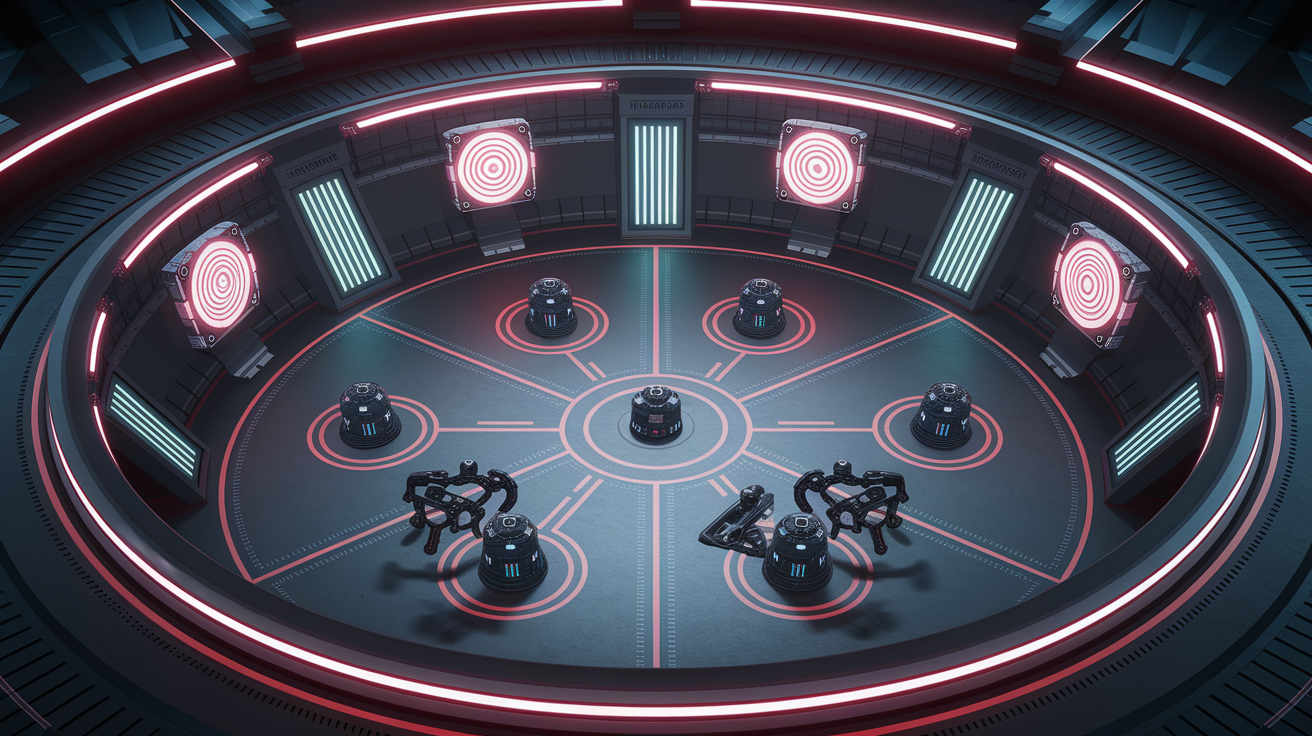
Kela De Thaym’s arena is a multi level rotating platform with bombardment zones and nullifier drones. You can’t damage Kela until you destroy the four glowing security targets mounted on the arena walls. The targets appear in pairs (two at a time) and glow bright orange. Shoot both targets to trigger a damage phase. Kela drops to the lower platform and becomes vulnerable for 15 to 20 seconds. After the damage phase ends, two new targets spawn and the cycle repeats.
Bombardment zones are marked by red circles on the floor. Rockets fall from the ceiling and detonate 2 seconds after the circle appears. Standing in a bombardment zone during detonation deals 2000+ damage and staggers you. Watch the floor and move out of red zones immediately. Nullifier drones fly around the upper platforms and project bubbles that disable your abilities. Destroy drones with your primary before they drift into your firing line while you’re shooting security targets. Kela fires homing rockets during the non vulnerable phase, so stay mobile and use cover to break tracking.
The safest positions are the outer edges of the upper platform, near the arena walls. From there, you have clean sightlines to security targets and you can drop to the lower level quickly when Kela’s damage phase starts. Viral and radiation both work because Kela has alloy armor and a moderate health pool. Corrosive is less useful because her armor value isn’t high enough to justify the mod slot. If you’re using a crit weapon, go for headshots during the vulnerability window to squeeze out damage before she returns to the upper deck.
The Ropalolyst Steel Path Strategy

The Ropalolyst fight has three phases. Phase one needs you to lure the boss into one of the three energy pylons around the arena perimeter. Walk toward a pylon and the Ropalolyst flies toward you. When it gets close to the pylon, the pylon fires an energy beam that staggers the boss and forces it to grab onto the platform. While it’s holding the platform, you switch to Operator and shoot the glowing blue weak point on its back with your amp. Land enough amp shots (roughly 300 to 500 damage depending on amp build) and the Ropalolyst overloads, releases the platform, and transitions to phase two.
Phase two is the same but uses a second pylon. Lure, trigger beam, amp the weak point. Phase three follows the same loop with the third pylon. After the third overload, the Ropalolyst crashes to the center platform and becomes vulnerable to weapon damage. Unload into its body with your primary or melee. It won’t move or attack during this final damage phase. If you don’t kill it in one cycle, it flies back to the perimeter and you repeat the pylon sequence from phase one.
Operator mode is required. If you don’t have an amp built (if you’re still using the Mote Amp from the first Quills quest), this fight takes 10+ minutes because the Mote Amp deals 10 to 15 damage per shot. Build a 111 amp (Raplak Prism, Pencha Scaffold, Clapkra Brace) at minimum. A 777 amp or higher cuts each phase down to 5 to 10 seconds. During the vulnerable weapon damage window, use viral with heat or radiation to strip its health. Corrosive doesn’t help because the Ropalolyst has Sentient armor, which resists most elemental combos except radiation and viral.
The Jackal Steel Path Strategy
The Jackal becomes vulnerable only after you stagger it by destroying both legs. Each leg has a separate small health bar (roughly 15% to 20% of the Jackal’s total health). Shoot the glowing joints on the legs until both legs break. The Jackal collapses and enters a 6 to 8 second vulnerable state where you can damage its main health bar. After the vulnerable window ends, the legs regenerate and you repeat the cycle. It takes 3 to 4 full cycles to kill the Jackal on Steel Path.
The Jackal’s ground slam creates a radial shockwave that knocks you down and deals 1500+ damage. Watch for the wind up (it raises both front legs off the ground) and dodge backward or use Rolling Guard to avoid the knockdown. Nullifier waves pulse from the Jackal’s body every 12 to 15 seconds during the fight. The wave disables all active abilities and removes buffs (Iron Skin, Warding Halo, invisibility). You can’t prevent the nullifier wave, but you can recast your survivability ability immediately after it hits.
Leg joints are small targets and harder to hit with projectile weapons or weapons that have travel time. Use hitscan primaries like Ignis Wraith beam, Fulmin, or Stahlta, or high accuracy weapons like Rubico Prime or Vectis Prime to break legs quickly. Viral works well on the main health bar, but the legs don’t have armor so any damage type breaks them at the same speed. If you’re using a status weapon, apply viral procs to the body during the vulnerable phase, then switch back to legs when it stands.
Knockdown cycle (repeat 3 to 4 times):
- Shoot both leg joints until they break and the Jackal collapses (10 to 15 seconds depending on weapon DPS)
- Unload into the Jackal’s main body for 6 to 8 seconds until it stands and regenerates legs
- Recast survivability abilities immediately after the nullifier wave pulses, then return to step 1
The Hyena Pack Steel Path Strategy
The Hyena Pack spawns four Hyena units at once (Hyena NG, Hyena Ng+, Hyena Ng++, Hyena Ng+++). Each variant has different elemental damage. Hyena NG uses electric and chain stuns. Hyena Ng+ uses toxin and bypasses shields. Hyena Ng++ uses magnetic and drains energy. Hyena Ng+++ uses blast and staggers on hit. All four share the same health pool type (robotics with alloy armor), so radiation and viral both work equally well.
The pack moves as a group and focuses fire on one player at a time. If all four target you at once, you’ll take 3000+ damage per second and die in under 3 seconds unless you have damage immunity or high armor. Separate the pack by using line of sight breaks. Run behind cover (the large cargo containers on the boss tile) and the Hyenas will path around the obstacle in different directions. This splits the group into 1v1 or 2v2 situations, which are much easier to handle.
Kill priority is Hyena Ng++ first (the magnetic variant) because energy drain stops you from recasting survivability abilities. Hyena Ng+ second (toxin bypasses shields and forces you to rely on health only). Hyena NG third (electric stuns are annoying but not fatal if you’re using Rolling Guard). Hyena Ng+++ last (blast staggers are the least dangerous because they don’t disable abilities or drain resources). Use AoE weapons like Kuva Bramma, Tenet Arca Plasmor, or Cedo to damage multiple Hyenas at once if they clump during pathfinding.
Vay Hek Steel Path Strategy
Vay Hek’s face mask opens and closes in a timed cycle. When the mask is closed, he takes zero damage. When the mask opens, his head becomes a weak point that takes full damage and counts as a headshot multiplier. The mask opens during three actions. The first is his stationary monologue (he hovers in place and taunts you for 4 to 6 seconds). The second is his charge attack (he flies directly at you in a straight line). The third is his mortar barrage (he rises to maximum height and fires explosive rounds downward).
The Terra Frame phase begins at 50% health. Vay Hek ejects from his flying platform and enters a bipedal mech suit. The Terra Frame has its own separate health bar and uses AoE stomp attacks that cover the entire tile. The faceplate still opens and closes on the same cycle, but the weak point is now on the Terra Frame’s chest instead of the head. You have to destroy the chest weak point to deplete the Terra Frame’s health and return Vay Hek to his flying platform for the final damage phase.
You need airborne damage for the flying phases. Ground based melee builds can’t reach Vay Hek reliably, so bring a primary or secondary with high accuracy like Rubico Prime, Vectis Prime, or Kuva Chakkhurr. Radiation works best on both the flying platform and the Terra Frame because both have alloy armor. Viral is a close second but slightly slower. The Terra Frame’s stomp can’t be dodged by running. You have to use a vertical jump or Rolling Guard to avoid the shockwave. Time your jumps to match the stomp wind up (he raises one leg for 1 second before slamming it down).
Four faceplate exposure cues:
- Stationary monologue (he stops moving and his mask opens for 4 to 6 seconds while he delivers taunts)
- Charge attack wind up (mask opens 0.5 seconds before he starts flying toward you in a straight line)
- Mortar barrage start (he rises to maximum altitude and mask opens for 3 to 4 seconds while firing explosives)
- Terra Frame chest glow (chest panel glows orange for 2 seconds after each stomp attack during mech phase)
Final Words
In the action, this guide gave core Steel Path loadouts, survivability tricks, and boss-specific rotation tips so you know what to do first in every fight.
You have targeted strategies for Lech Kril, Tyl Regor, Ropalolyst and the others, plus clear mod and weapon choices and recovery lines when things go wrong.
Use this Warframe Steel Path boss mission walkthrough builds and mods as your checklist. Practice the cycles, adapt when a fight breaks, and you’ll clear bosses cleaner and faster.
FAQ
Q: What are the best Steel Path loadouts for boss fights?
A: The best Steel Path loadouts for boss fights are a mix of two DPS frames, two tanks, and two boss‑killer weapons with status/armor strip focus, high ability strength, and survivability mods to handle +250% defenses.
Q: Which Warframes should I pick for survivability on Steel Path bosses?
A: The Warframes to pick for survivability on Steel Path bosses are those with Adaptation-like mitigation, rolling guard, or strong healing/shield abilities to survive heavy damage and buy time for DPS windows.
Q: What mods are essential for Steel Path boss encounters?
A: The essential mods for Steel Path boss encounters are armor‑strip/status combos, high ability strength, health/shield/armor scaling mods, and survivability staples like Quick Thinking or Adaptation for sustained fights.
Q: What weapons work best against Steel Path bosses?
A: The weapons that work best against Steel Path bosses are high‑burst, status or armor‑negating weapons like Kuva Hek, Felarx, Tenet Arca Plasmor, and strong Incarnon melee for consistent high single‑target damage.
Q: How do I beat Lech Kril on Steel Path?
A: Beating Lech Kril on Steel Path involves aiming for the coolant pack, avoiding his ice wave projectiles, and forcing the vulnerability cycle by breaking tube connections, then bursting damage while he’s exposed.
Q: How do I handle Lieutenant Lech Kril and Vor together?
A: Handling Lieutenant Lech Kril and Vor together requires managing Vor’s bubble invulnerabilities, stacking arena positioning to avoid overlapping AoE, and attacking Kril’s coolant targets only during synchronized vulnerability windows.
Q: What’s the correct approach to Tyl Regor on Steel Path?
A: The correct approach to Tyl Regor on Steel Path is to track his movement through water rooms, focus clones quickly, and wait for his specific vulnerability animations to open short but reliable DPS windows.
Q: How do I time Captain Vor’s solo phases on Steel Path?
A: Timing Captain Vor’s solo phases on Steel Path means breaking his energy bubble when he’s exposed, watching for predictable teleports, and attacking during the brief exposed windows after the bubble falls.
Q: How should I hit Sargas Ruk’s weak points safely?
A: Hitting Sargas Ruk’s weak points safely means tracking rotating arm, back, and chest positions, attacking only during casting animations when he’s vulnerable, and using safe angles to avoid his large AoE attacks.
Q: What changes in Sargas Ruk’s Nightmare variant on Steel Path?
A: The Sargas Ruk Nightmare variant on Steel Path increases fire‑DoT zones and reduces visibility, while weak points remain the same, so prioritize movement and visibility tools over different targeting.
Q: How do I hack Ambulas safely and force its vulnerability?
A: Hacking Ambulas safely and forcing vulnerability requires timing hacks to minimize reinforcements, clearing adds quickly, and completing hacks during brief safe windows to trigger the boss’s exposed phase.
Q: How do I handle Kela De Thaym’s arena hazards on Steel Path?
A: Handling Kela De Thaym’s arena hazards on Steel Path involves prioritizing dome security targets to trigger damage phases, using rotating platforms for cover, and avoiding bombardment and nullifier drones when exposed.
Q: What’s the repeatable cycle for Jackal stagger and knockdowns on Steel Path?
A: The repeatable cycle for Jackal stagger and knockdowns on Steel Path is to punish ground slams, focus leg shots to force knockdown, then burst while the boss recovers, avoiding extended nullifier waves.