


Think the game is broken? Most of the time it isn’t.
Beginners skip tutorials, waste resources, and mash buttons instead of learning timing.
That makes fights feel unfair and progression slow.
This post breaks down the most common beginner mistakes, like misunderstanding core mechanics, poor resource management, bad upgrades, weak positioning, and ignoring in-game guides.
For each mistake I give a quick fix you can practice in under an hour and a simple rule to stop repeating the same costly errors.
Misunderstanding Core Game Mechanics

Missing the fundamental systems is the fastest way to hit a wall before you even leave the starting area. Most players jump in expecting to figure things out naturally, then get frustrated when fights feel impossible. But the game isn’t the problem. You’re treating the controls like a different game, mashing buttons when combat actually needs timing, rushing forward when spacing matters more than aggression.
These aren’t secrets buried in some wiki. Core mechanics get taught in the first 10 minutes. You just didn’t catch them, or you skipped past thinking you’d pick it up later. A beginner who can’t tell the difference between blocking and dodging burns through healing items before the first real fight. Someone who doesn’t get the stamina system swings until the bar’s empty, then stands there waiting to die. The foundation’s shaky, that’s all.
Fixing this doesn’t take forever. Most corrections need maybe an hour of focused practice in a safe zone or training mode. Once the basics actually click, everything moves faster and fights stop feeling random.
Here’s what to address first:
- Movement and positioning – Stop charging into melee range every time. Learn to circle, backstep between attacks, keep distance until you see an opening. No more sprinting straight into danger.
- Resource meters – Figure out what stamina, mana, or energy actually control. Test how many actions you can chain before running dry. Never empty the bar completely unless you’ve got a guaranteed escape.
- Attack commit windows – Most games lock you into animations when you press buttons. Learn how long your attacks take and whether you can cancel or dodge out early. If you can’t cancel, don’t start swinging when the enemy’s winding up their own attack.
- Defensive tools – Block, parry, dodge, roll. They’re not interchangeable. Blocks stop chip damage but drain stamina. Dodges give i-frames but require timing. Test each one in a low-pressure fight and figure out when to use which.
- Ability cooldowns and resource costs – Don’t dump your strongest move immediately. Check the cooldown and cost, then plan a rotation that keeps at least one tool ready for emergencies.
Poor Early-Game Resource Management

New players treat the first few hours like a shopping spree. Buy every potion, craft random items, spend rare currency on cosmetics instead of permanent upgrades. By the time better gear shows up at ten times the cost, you’re grinding starter zones just to afford basic tools. This mistake won’t kill your run, but it’ll add hours of unnecessary farming.
The fix is simple. Decide what you actually need for the next couple play sessions, then save everything else. Early vendors restock and prices usually drop as you progress. There’s no reason to hoard consumables you won’t touch. Prioritize permanent upgrades over temporary boosts. Never spend rare currency until you’ve seen the full upgrade tree and confirmed it’s not needed later. If the game lets you sell junk, do it immediately. Clutter makes it harder to spot what matters.
Short decision ruleset for early spending:
- Save rare currency – If something’s labeled rare, limited, or premium, don’t touch it until you’ve seen mid-game options and know it’s not required there.
- Buy core upgrades first – Permanent stat boosts, inventory expansions, movement tools. They pay off the entire game. Consumables help once.
- Stockpile crafting materials – Don’t craft until you know the recipe’s worth it. Research which early crafts are traps and which are essential.
- Avoid vendor trap items – Early shops sell gear that looks strong but gets replaced fast. If something costs 80 percent of your gold and you’re under level 10, it’s bait.
Neglecting Character Progression and Upgrades

Beginners ignore skill trees or dump points randomly, then wonder why fights still feel hard 10 hours in. You’re supposed to get stronger as you level. But if half your points are in abilities you never use, you’re playing at half power. Some spread points evenly across every stat, creating a character that’s mediocre at everything. Others hoard points because they’re scared of wasting them, so they never get the power spike that makes progression smooth.
The game usually wants you to specialize early, broaden later. Pick two or three stats that support your playstyle and focus there until diminishing returns kick in. Using melee weapons? Strength or dexterity matter more than intelligence. Relying on abilities? Pump the resource pool and cooldown reduction before worrying about defense. Most games let you test builds in safe zones or offer limited respecs. The cost of a mistake is lower than the cost of never committing.
Gear follows the same rule. Upgrade your main weapon before anything else. A strong weapon cuts fight time in half, which means less damage taken overall and fewer consumables burned. Armor helps, but offense is usually the better early investment unless the game heavily punishes mistakes. Check upgrade costs before committing. Some systems get exponentially expensive after the first few tiers. Better to bring three items to tier two than force one item to tier four and run out of materials.
Inefficient Combat or Strategy Execution

Most beginner combat problems boil down to one thing. You’re reacting instead of reading. You see the enemy move and panic press buttons, which means you’re already late. By the time your animation finishes, the enemy’s recovering and you’re stuck in recovery frames yourself. Button mashing works in some games, but anything with stamina, cooldowns, or animation locks will punish it hard. You need to watch what the enemy’s doing, recognize the pattern, act before they finish the wind-up.
Positioning is the other half. Standing directly in front of a boss telegraphing a frontal attack is a choice. The wrong one. Learn to move perpendicular or diagonal to enemy facings so attacks miss by default. This gives you free punish windows without spending resources on dodges or blocks. If you’re always dodging at the last second, you’re working too hard. Correct spacing means attacks don’t reach you in the first place.
Here’s what usually goes wrong and how to fix it:
- Panic rolling or dodging too early – Most attacks have wind-up, hitbox, recovery. Dodge during wind-up and you’ll be stuck in recovery when the hitbox comes out. Wait until you see the actual swing start, then dodge. Practice the timing on one enemy type until it’s automatic.
- Using abilities on cooldown instead of on purpose – Don’t hit the button just because it’s glowing. Save crowd control for when you’re overwhelmed, save burst damage for windows when the boss is vulnerable, save mobility tools for dodging area attacks.
- Ignoring enemy patterns – Every enemy has 2 to 5 moves. After fighting the same type three times, you should know the moveset. If you don’t, you’re not paying attention. Learn the tells, the safe zones, the punish windows.
- Fighting too many enemies at once – If the game lets you pull one at a time, do it. Lure with ranged attacks or line-of-sight pulls. Fighting three weak enemies is harder than one strong enemy because you can’t watch all their wind-ups.
- Wasting resources on trash encounters – Regular enemies die fast. Don’t use expensive abilities. Save cooldowns and consumables for elites and bosses where they actually matter.
Failure to Explore or Use the Game World Effectively
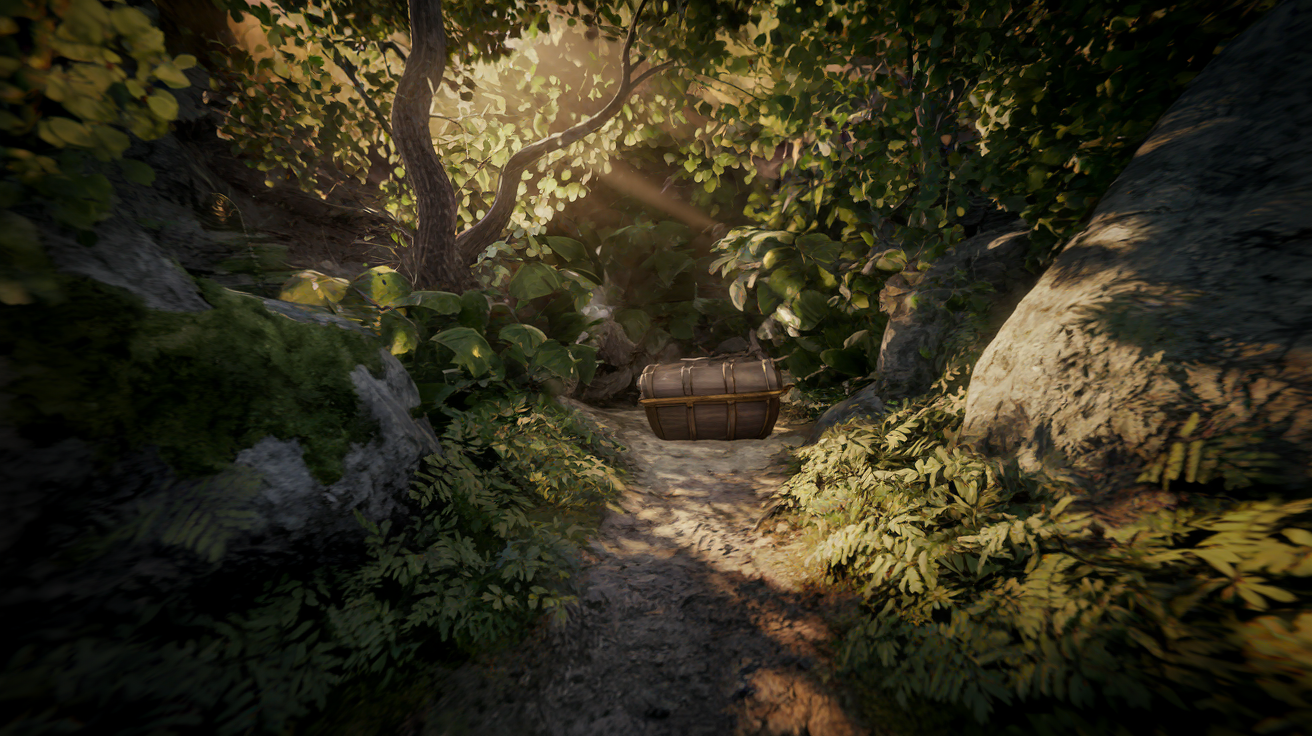
New players treat exploration like a chore. They skip side paths and run straight to the next objective marker, then complain about being under-leveled when the next story fight assumes you grabbed loot from that optional area. The game world is designed with rewards in mind. Hidden chests, resource nodes, shortcuts, upgrades. They’re placed off the main path because developers want to reward curiosity.
Fast travel exists for a reason. Use it. Backtracking on foot for 10 minutes to turn in one quest is a waste of time when the map has a teleport point 30 seconds away. Check your map every time you unlock a new zone and activate every fast travel node you pass. This cuts transit time and lets you return to vendors, storage, or quest hubs without losing momentum.
Environmental clues matter more than you think. Cracked walls often hide rooms. Suspicious item placements usually mark secrets. Elevation changes and ledges lead to alternate routes. The game has a jump button and you see a platform? Try to reach it. Locked door early on? The key’s probably in a nearby side area. Developers telegraph this stuff. Look for lighting differences, subtle audio cues, geometry that stands out. The faster you learn the visual language, the less you’ll miss.
Ignoring Tutorials, Tooltips, or In‑Game Guides

Skipping tutorials is a reflex for experienced players. But if this is your first time with this type of game, you’re throwing away free answers. The tutorial teaches controls, timing, resource rules, usually hints at build directions. When you button through it to “get to the real game,” you miss details that won’t be explained again. Then 5 hours later you’re asking in chat how to do something the tutorial covered in minute three.
Tooltips exist because mechanics are often more complex than they appear. Hovering over a stat for two seconds tells you if it scales linearly, has breakpoints, or caps at a certain value. Reading an ability tooltip explains whether it scales with attack, ability power, or weapon damage. This directly affects your build choices. Ignore tooltips and you’re guessing. Most guesses are wrong.
Here’s the fix. Treat the first playthrough as a learning run. When the game offers a tutorial prompt, do it. When you unlock a new mechanic, test it in a safe area for 60 seconds. When you see a new item or ability, read the full description before deciding if it’s useful. If the game has a codex or journal that logs tutorial tips, check it when you’re stuck. Most problems you’ll hit in the first 10 hours were answered in text you skipped. Rereading is faster than trial and error.
Using Ineffective Builds, Loadouts, or Team Compositions

Beginners build characters like they’re picking favorite foods. This ability looks cool, that weapon has a big number, this armor is rare so it must be good. Then they fight a boss and realize nothing synergizes. Your weapon scales with strength, but you’ve been leveling intelligence. Your abilities need cooldown reduction, but your gear has none. Your team has three damage dealers and no healing, so one mistake wipes the run. The game doesn’t auto-correct this. You have to plan it.
Synergy beats raw stats almost every time. A moderate weapon that boosts your main stat is better than a high-damage weapon with useless bonuses. An ability that combos with your other two abilities is better than a standalone nuke with no setup. Gear that reduces cooldowns on your most-used skill is better than generic defense if you rely on that skill to survive. Look for multiplication, not addition.
Testing matters. Most games let you respec, retrain, or swap loadouts in town. Build something, test it on a tough fight, then adjust. Damage feels low? Check if you’re scaling the wrong stat. Dying too fast? Check if your defensive tools actually work with your playstyle. A shield is useless if you never stop attacking long enough to block. Team keeps wiping? Check if roles are covered or if everyone’s doing the same job.
| Build/Loadout Issue | Impact | Corrective Action |
|---|---|---|
| Splitting stat points evenly across all attributes | Character is weak at everything, no power spike, struggles in mid-game | Focus 70–80% of points into 2 primary stats that match your weapon and ability scaling; leave utility stats until later |
| Equipping high-rarity gear with bad stat bonuses | Looks strong on paper but doesn’t improve your actual damage or survival | Compare stat bonuses, not just item level or rarity; prioritize stats that scale your main abilities and weapon type |
| Using abilities that don’t combo or support each other | Each ability works in isolation, no multiplier effects, longer fights | Pick 3–4 abilities that chain together (e.g., stun into damage burst, or damage-over-time into amplification); drop abilities with no synergy |
| Team composition with overlapping roles and no support | Everyone competes for the same job, no healing or crowd control, wipes on tough encounters | Ensure one slot covers healing/support, one handles crowd control or tanking, rest can focus damage; test composition in a hard fight before committing |
Overlooking Defense, Survival Tools, or Mitigation Options

Offense gets all the attention because bigger numbers feel better. But dead players do zero damage. New players stack attack stats, ignore armor, skip defensive abilities, then blame the game for one-shot mechanics. The boss isn’t overtuned. You’re just standing in attacks with no mitigation and no plan B. Every game gives you tools to survive. You’re choosing not to use them.
Dodging is free damage reduction. An attack does 50 percent of your health bar and you can dodge it? That’s equivalent to doubling your health pool for that fight. Learning one dodge timing is worth more than grinding 5 levels for slightly better armor. Blocks and shields work the same way. They convert incoming damage into a resource cost (stamina, charges, cooldown) which is almost always cheaper than healing back the raw damage.
Healing items and abilities are meant to be used during fights, not saved for emergencies that never come. You finish a tough fight with full consumables? You made it harder than it needed to be. Use a potion when you drop to 50 percent health so you have room to make another mistake. Use your healing ability on cooldown if it’s free or cheap. The goal is to avoid death, not hoard resources for a perfect moment. Also, check if the game has damage-over-time effects, debuffs, or environmental hazards that need cleansing items or abilities. Ignoring these drains your health faster than direct attacks.
Playing Without Clear Short-Term Goals

Wandering around without a plan is how you waste 30 minutes, make no progress, and close the game feeling frustrated. You’re not sure what to do next, so you do a little of everything and finish nothing. Quest logs pile up, inventory’s full of junk, you’re two levels away from the next power spike but you keep getting distracted. The game gives you freedom, but freedom without direction just turns into friction.
Set a single concrete goal before each session. “I’m going to finish this quest chain.” “I’m going to farm enough materials to craft this item.” “I’m going to unlock this travel point and clear the path to the next zone.” One goal, clear success condition, realistic time window. When you finish, set the next one. This keeps momentum and gives you a win condition that isn’t just “play until I’m bored.”
Short-term goals also help you notice when you’re stuck. Your goal is “beat this boss” and you’ve tried five times with no progress? That’s a signal to change your approach. Upgrade gear, adjust your build, watch a guide for the pattern, or come back later. Without the goal, you might bash your head against it indefinitely or wander off and forget why you were even there. Clear goals create clear feedback loops.
Use these templates to build your own:
- Progression goal – “Reach level X or unlock ability Y within the next two play sessions.”
- Gear goal – “Farm enough currency or materials to buy or craft [specific item], then equip and test it.”
- Story goal – “Complete the next main quest and any side quests that unlock along the way.”
- Exploration goal – “Unlock all fast travel points in [zone name] and mark any locked doors or inaccessible areas to return to later.”
Final Words
Jump into the action: get core mechanics right first — movement, ability timing, and basic controls — then lock down resource and upgrade habits.
We walked through progression order, combat fixes, exploration habits, tutorial use, better builds, defensive options, and setting short-term goals. Pick one fix per session and practice it.
Keep this checklist handy and remember the phrase [game] common beginner mistakes to avoid and how to fix them. Do the small fixes, and you’ll see steady improvement and more fun in every run.
FAQ
Q: What are some common mistakes made by beginners?
A: The common mistakes made by beginners include misunderstanding core mechanics, poor resource management, ignoring progression systems, weak builds, and playing without short-term goals. Focus on basics, set clear goals, and practice one skill per session.
Q: What are some common mistakes that beginner game designers make and how can they be avoided?
A: Beginner game designers commonly overcomplicate mechanics, skip prototyping, ignore player feedback, and misuse pacing. Avoid these by prototyping fast, testing with real players, simplifying your core loop, and iterating on feedback each sprint.
Q: How to fix common game errors?
A: To fix common game errors, reproduce the issue, update the game and drivers, verify file integrity, clear cache, test with default settings, and gather logs or screenshots before contacting support.
Q: What are the most common mistakes for beginner drivers?
A: The most common mistakes for beginner drivers are speeding, poor mirror checks, late braking, bad lane discipline, and distraction. Fix them with deliberate mirror habits, smooth braking practice, and keeping extra following distance.