


Think snipers are passive babysitters? They still decide ranked matches.
After the recent HDR ADS slow and the Victus XMR buff, your rifle and attachments matter more than ever.
This guide gives one clear promise: the exact loadout, ammo, perks, and optic picks to dominate ranked sniping, plus the simple decision rule to know when to hold, rotate, or swap to an SMG.
You’ll get when to pick HDR, Victus, Kar98k, or Strider, the common mistakes that cost rounds, and easy fixes so you stop losing sightlines.
Core Ranked-Ready Sniper Build Breakdown for Peak PvP Performance

Four snipers run the show in ranked right now. The HDR still dominates long-range with infinite one-shot distance and strong bullet velocity, but a recent patch slowed its ADS from 510ms to 600ms. That’s noticeable. The Victus XMR got buffed hard and now matches the HDR’s one-shot potential at any distance when you pair the Mack 8 33.5 Super barrel with the VT-7 Spiritfire Suppressor. The Kar98k stays the fastest, landing consistent two-shot kills with upper-body hits and offering the quickest ADS among actual snipers. The Strider 300 has the highest pick rate at 10.1 percent, built around the 25-inch Bowen Grooved Barrel and Monolithic Suppressor for reliable mid to long range work.
Your sniper choice comes down to three things: one-shot reliability, ADS speed, and engagement distance. If you’re holding long sightlines and need guaranteed kills past 100 meters, the HDR or Victus XMR will close more fights. If you play mid-range crossfires where speed matters more than infinite range, the Kar98k lets you ADS faster and win peek duels. Want something balanced that handles most ranked map distances without punishing slower mechanics? The Strider 300 sits in the middle with strong pick-rate validation from the current player base.
Attachment synergy is where real performance differences show up. Suppressors like the Monolithic or VT-7 Spiritfire keep you off radar and preserve long-range damage profiles. Long barrels such as Gain-Twist, Mack 8 33.5 Super, and Prazisionsgewehr 762 Long push bullet velocity high enough to reduce travel time and improve hit registration at distance. High-grain or overpressured ammo types (108mm Overpressured, .50 CAL High Velocity, 7.92 High Grain Rounds) raise damage thresholds and lock in consistent one-shot or two-shot windows when paired with the correct barrel and muzzle.
| Sniper | Core Attachments | Primary Strength |
|---|---|---|
| HDR | Monolithic Suppressor, Gain-Twist Barrel, Lightweight Bipod, Quickdraw Grip, 108mm Overpressured | Infinite one-shot range, high bullet velocity |
| Victus XMR | VT-7 Spiritfire Suppressor, Mack 8 33.5 Super, XRK Rise 50, .50 CAL High Velocity | One-shot at all ranges after buff, strong velocity |
| Kar98k | Forge TAC Delta 4, VT-7 Spiritfire Suppressor, Prazisionsgewehr 762 Long, 7.92 High Grain Rounds, Recon Sling | Fastest ADS, consistent two-shot upper-body kills |
| Strider 300 | Monolithic Suppressor, 25″ Bowen Grooved Barrel, Carnation Fast Mag, Hatch Quick Grip, .300 WM Overpressured | Balanced range/handling, highest community pick rate |
Ranked Sniper Attachment Optimization for Accuracy, Velocity, and ADS Consistency

Suppressors control two things that matter in ranked: recoil consistency and stealth lane sustainability. The Monolithic Suppressor preserves damage drop-off at long range while keeping you hidden from minimap pings after every shot. The VT-7 Spiritfire offers similar concealment with slightly different recoil smoothing. Players report tighter vertical grouping on Victus and Kar98k builds. Both options let you hold a sightline for multiple engagements without forcing repositioning after the first elimination, which is a massive edge when you’re controlling key ranked lanes.
Long barrels and overpressured ammo push bullet velocity high enough to reduce player-reaction windows and improve hit confirmation. The Gain-Twist Barrel on the HDR, Mack 8 33.5 Super on Victus, and Prazisionsgewehr 762 Long on Kar98k all increase muzzle velocity by 15 to 20 percent compared to stock profiles. Pair these barrels with high-grain or overpressured rounds (108mm Overpressured, .50 CAL High Velocity, 7.92 High Grain Rounds) and you’ll stay above one-shot or two-shot damage thresholds even when shooting through partial cover or at extreme distance.
Best optic traits for ranked sniping. Clear reticle with minimal frame obstruction. Forge TAC Delta 4 and SP-X 80 6.6X deliver clean center-dot aiming and fast target acquisition without cluttered overlays.
Which suppressors maintain long-range damage. Monolithic Suppressor and VT-7 Spiritfire both preserve damage curves past 100 meters while eliminating radar signatures.
Barrels that maximize velocity. Gain-Twist, Mack 8 33.5 Super, Prazisionsgewehr 762 Long, 25-inch Bowen Grooved, 23.7-inch Composite-11 all push velocity into the high-performance zone.
Ammo choices for one-shot thresholds. .50 CAL High Velocity, 108mm Overpressured, 7.92 High Grain Rounds, .300 WM Overpressored, .338 LM Overpressured secure terminal damage consistency.
Underbarrel stability picks. Lightweight Bipod reduces sway when prone or mounted. Vertical Foregrip and Ranger Foregrip lower horizontal bounce during follow-up shots.
Rear-grip options for faster responsiveness. Quickdraw Grip cuts sprint-to-fire and ADS times. Hatch Quick Grip and Auroral Light Grip offer similar handling boosts on alternative builds.
Competitive Perk, Secondary, and Equipment Setup to Support a Ranked Sniper Class
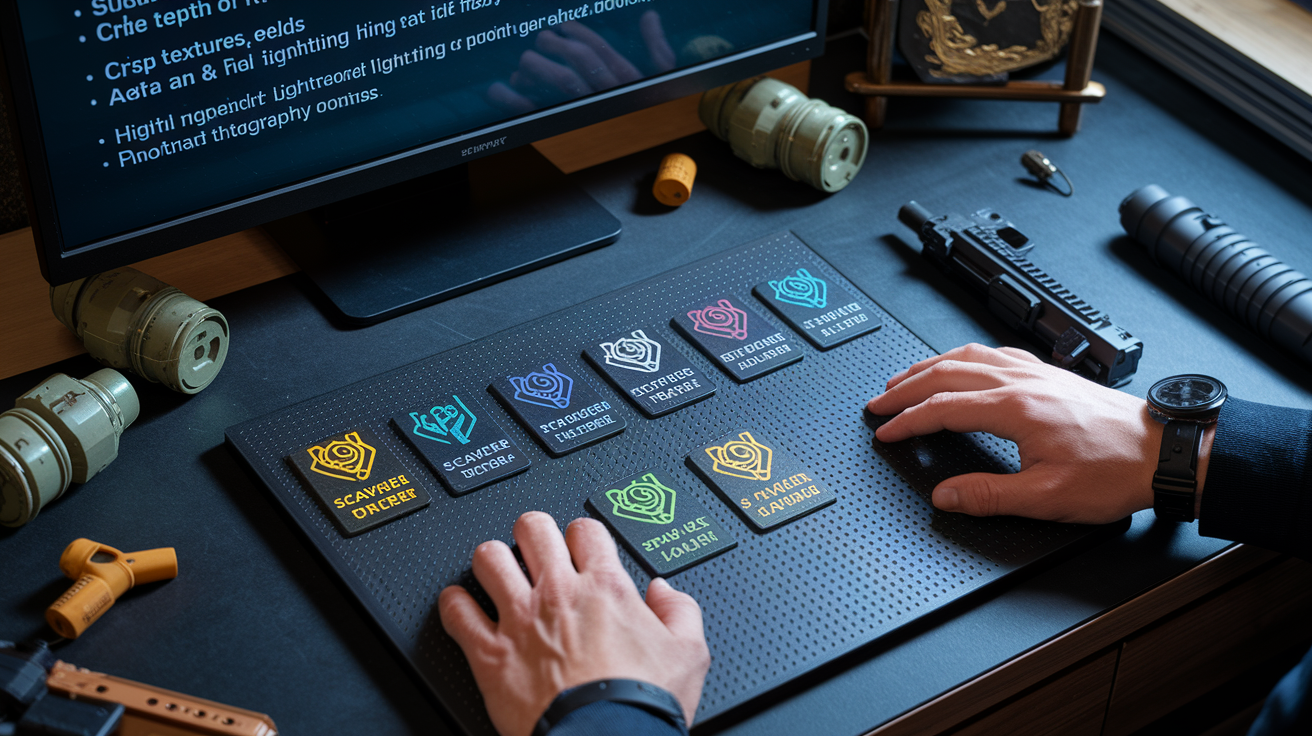
Scavenger is the most valuable perk for ranked snipers. You start each match with maximum reserve ammo for your primary weapon and automatically resupply ammo, equipment, and armor plates from eliminated enemies. Plate scarcity in ranked modes makes this resupply critical. You can sustain long sightline holds without rotating to unsafe supply zones. Tracker adds lane-control intelligence by highlighting enemy footsteps and briefly outlining hit targets, letting you track wounded opponents through smoke or around corners. Alertness provides real-time awareness by detecting nearby enemies and displaying on-screen indicators when someone aims at your position, giving you the split-second warning needed to reposition or pre-fire.
Your secondary weapon must cover close-quarter emergencies without compromising your sniper build. High-mobility SMGs like the Ladra or KSV handle sudden flanks inside 20 meters, where your sniper’s slow handling becomes a liability. The Ladra offers very high fire rate and manageable recoil out to approximately 20 meters with attachments like Compensator, Long Barrel, and Vertical Foregrip. The KSV excels inside 10 meters with strong damage output using Compensator, Ranger Foregrip, Extended Mag II, and Infiltrator Stock. Or you can run the AK-74 for solid close-to-mid versatility despite recent nerfs to headshot and lower-torso multipliers.
Equipment choices reinforce your positioning advantage and escape options. Smoke Grenades let you cross exposed sightlines or break contact when pressured by multiple angles. Throw smoke between yourself and the threat, then reposition to a new lane before the enemy closes. Frag Grenades force opponents out of cover or secure eliminations on weakened targets hiding behind obstacles. If you land a body shot and the enemy retreats, cook and throw a frag to their probable cover spot instead of risking a second peek into their pre-aim.
Ranked Sniper Positioning, Lane Control, and Map-Aware Engagement Patterns

Your sniper type dictates which lanes you prioritize. HDR and Victus builds dominate long, straight sightlines where bullet travel time matters less than guaranteed one-shot elimination power. Think open courtyards, long hallways, or cross-map angles with minimal obstruction. The Kar98k thrives on mid-range crossfires where faster ADS lets you win peek battles against enemy snipers or ARs holding secondary angles. Season balance updates pushed more aggressive short-range confrontations due to SMG viability increases, so expect pressure from flanking routes and be ready to swap to your secondary or reposition when lanes collapse.
Rotation safety determines survival when your position gets compromised. If enemies start pre-firing your angle or you hear footsteps closing from multiple directions, break the sightline immediately. Don’t try to out-aim two threats. Use smoke to mask your exit path, move perpendicular to the original lane, and reset on a different angle 15 to 20 meters away. Watch for silhouette visibility by staying out of backlit doorways or windows where your outline shows clearly against bright backgrounds.
Head-glitch peeking. Position behind cover that exposes only your head and optic. Most ranked maps offer railings, crates, or window ledges that hide your body hitbox while you aim.
Off-angles. Hold unexpected sightlines slightly left or right of the common pre-aim spot. Enemies scanning the standard angle will miss you for a critical half-second.
Power-position timing. Arrive at high-value lanes early in the round before enemy snipers settle. First arrival controls the angle and forces opponents into riskier peeks.
Anti-flank checks. Glance at flanking routes every 8 to 10 seconds. Use Tracker footsteps and Alertness pings to detect approach before enemies reach firing range.
Sightline resets. After securing one or two eliminations from the same spot, rotate 10 meters and re-establish on a parallel angle to avoid revenge pre-fires.
Rotation timing. Move during objective pressure windows when enemies focus on point captures or bomb plants, reducing the chance of mid-rotation interception.
Silhouette control. Avoid standing in doorways or on ridgelines where your outline contrasts sharply against sky or light sources. Stay in shadowed zones when possible.
Mastering Ranked Sniper Mechanics: Quickscope Windows, Flick Shots, and ADS Timing
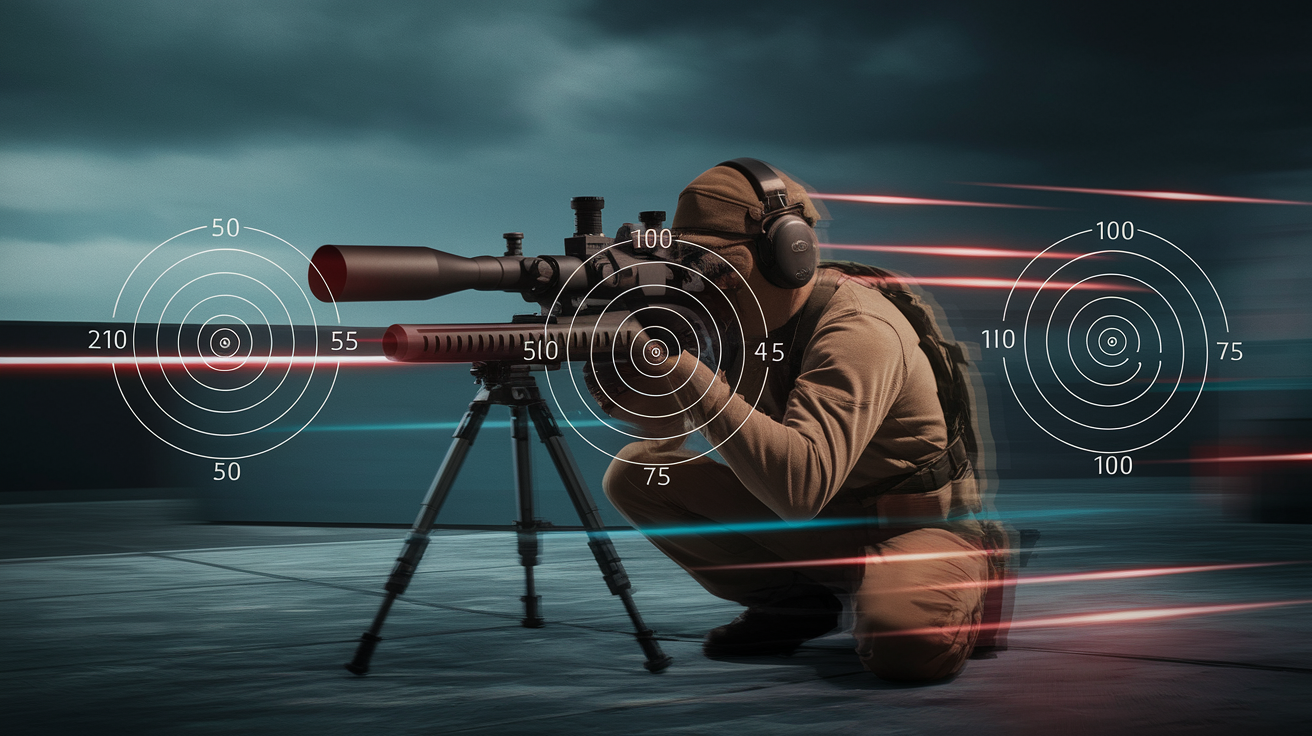
Sensitivity settings directly affect flick-shot accuracy and tracking consistency. Most competitive sniper players run lower general sensitivity (around 4 to 6 on console, 400 to 800 DPI with 4 to 7 in-game sensitivity on PC) paired with a dedicated ADS multiplier between 0.8 and 1.0 to maintain smooth target tracking while scoped. If your crosshair overshoots or undershoots targets during flick attempts, lower your ADS sensitivity by 0.1 increments until corrections feel controlled. Stability improves when you let muscle memory handle small adjustments rather than fighting high-speed drift.
Crouch-strafing reduces weapon sway and tightens first-shot accuracy on all sniper platforms. Before taking a shot, tap crouch to lower your stance and cut idle sway by approximately 30 percent. This small input stabilizes your reticle just enough to secure headshots at distance. Combine crouch with a brief strafe-stop: strafe left or right to peek the angle, release movement input for a split second to reset accuracy, then fire. The Kar98k benefits most from this timing because its faster ADS lets you execute the full crouch-strafe-stop-fire sequence inside one second.
Daily Mechanical Drills for Ranked Snipers
Run ADS snap drills by placing static targets at 50, 75, and 100 meters in a practice range, then practice snapping your scope onto each target as fast as possible without pre-aiming. Measure how many clean hits you land in 60 seconds. Consistency matters more than raw speed.
Practice flick-targets at variable heights by setting up targets at head, chest, and waist level across different distances. Flick between high and low targets to train vertical mouse or stick control, which translates directly to hitting crouched or jumping opponents mid-gunfight.
Drill strafing-while-scoping by moving left-right while ADS on a single target, firing only when your movement input stops. This builds the timing discipline needed to stay mobile during lane holds without sacrificing accuracy.
Run long-range recoil correction exercises with follow-up shot weapons like the Kar98k. Fire, track the recoil kick, re-center on target, and fire again. Repeat until your second-shot timing becomes automatic. This pattern saves eliminations when your first shot lands as a body hit instead of a headshot.
Anti-Sniper Counterplay and Survival Against Rival Sharpshooters

Forcing ADS resets wins sniper duels when you lack the first-shot advantage. Rapid shoulder-peeking (quickly strafing into and out of the sightline) baits the enemy sniper into firing while you remain mostly behind cover. Each missed shot forces them to rechamber or reset their aim, buying you 600 to 800 milliseconds to either reposition or return fire during their downtime. HDR and Victus players suffer most from this tactic because their slower handling limits how fast they can re-acquire after a whiffed shot.
Pre-firing common sniper angles denies them the first-look advantage and disrupts their aim with flinch. If you know an enemy sniper holds a specific window or doorway, fire two or three rounds at head height before you fully expose yourself. Even if you miss, the flinch mechanics will throw off their shot, giving you a window to close distance or retreat safely.
How to force ADS resets. Shoulder-peek rapidly to bait shots, then exploit the rechamber or re-scope delay to reposition or counter-fire.
When to pre-fire angles. Any time you have intelligence on a sniper’s position. Flinch disrupts their first-shot accuracy enough to shift the duel in your favor.
How to armor-swap under pressure. Slide behind full cover, swap plates immediately, then reposition to a different angle before re-engaging. Never peek the same spot twice in a row.
When to rotate instead of fight. If you’re caught in the open or the sniper holds a better angle with cover, disengage immediately using smoke and lateral movement rather than trying to out-snipe from a disadvantaged position.
How to punish slow-handling snipers. Rush HDR, KATT-AMR, or Victus players with an SMG after they fire. Their 600-millisecond-plus ADS makes follow-up close-range defense nearly impossible.
Season Patch Impacts on the Ranked Sniper Meta and Loadout Adjustments

The most recent balance update slowed the HDR’s ADS time to 600 milliseconds, up from 510 milliseconds, reducing its effectiveness in mobile peek battles. Despite the nerf, the HDR retains its infinite one-shot headshot capability at any range, so players adapted by emphasizing pre-aiming and static lane holds instead of aggressive quickscope plays. If you run the HDR, arrive at your sightline early and let enemies walk into your crosshair rather than trying to snap onto moving targets.
The Victus XMR buff elevated it to direct HDR competition by granting one-shot kills at all ranges, previously a unique HDR advantage. This change diversified the long-range sniper pool and gave players a second option with slightly different handling characteristics. The Victus feels marginally faster to shoulder and benefits from the .50 CAL High Velocity rounds, which maintain velocity better through partial cover. If you prefer a touch more mobility without sacrificing one-shot reliability, the Victus now matches the HDR’s lethality.
SMG viability increases created more close-range threats, forcing snipers to adopt stronger secondary weapons and faster repositioning habits. AR nerfs to headshot multipliers and ADS speeds pushed mid-range engagements closer, where SMGs like the Ladra and KSV thrive. You’ll face more flanking pressure and faster lane collapses, so prioritize Alertness perk usage and maintain escape routes from every position. Buy Station changes removed the ability to purchase loadout weapons directly, making Overkill the most reliable way to guarantee both your sniper and a capable close-range secondary. Without Overkill, you depend entirely on finding a loadout drop, which adds randomness to your kit availability. Plan rotations around drop zones and contest them early when possible.
Final Words
When you’re scoped on a long sightline, this guide handed you the exact builds, attachments, and perks that win ranked fights. We covered HDR and Victus for one‑shots, Kar98k for fast ADS, and Strider as a reliable pick.
You also got positioning rules, mechanical drills, anti‑sniper counters, and patch adjustments so you know when to change lanes or loadouts.
Use that to pick your optimal PvP sniper loadout for ranked play and drill the timing. You’ll start landing more clutch shots.
FAQ
Q: What’s the best loadout for a sniper?
A: The best loadout for a sniper is a suppressed long-barrel setup (Monolithic/VT-7), high-velocity ammo, quickdraw/bolt-speed attachment, a stability grip, a clear optic, and an SMG secondary for close fights.
Q: Can you 1 shot sniper in ranked Warzone?
A: You can one-shot in ranked Warzone with certain rifles on headshots; HDR and Victus XMR can one-shot at all ranges, while most other snipers require upper-body hits or tuned ammo to reach one-shot thresholds.
Q: What snipers are in 1 shot in Warzone?
A: The snipers that are one-shot in Warzone are primarily the HDR and the Victus XMR, both capable of one-shot headkill range after recent balance updates.
Q: Is it better to hold your breath while sniping?
A: Holding your breath while sniping is better for long-range, aimed shots because it steadies sway; avoid it for quickscopes, fast peeks, or when you need immediate mobility and follow-up fire.