


What if I told you most Destiny 2 LFG raids collapse in the first five minutes because nobody assigns roles?
If you’re leading or joining LFG runs, the quick prep matters more than your DPS.
This checklist gives clean Destiny 2 raid role assignments.
It lists encounter prep steps and comm rules you can verify in under two minutes.
It tells who holds plates, who runs relics, who saves heavy, and who calls wipes.
Skip long intros, confirm counters, call roles, then pull the banner.
Do that and LFG groups stop drifting after the first wipe.
Quick LFGRaid Startup Framework (Don’t Bury the Lede)

LFG raids live or die in the first five minutes. If you don’t assign roles, confirm loadouts, and lock in communication rules fast, the group just drifts. First wipe hits and four people bail. Speed matters more than you think.
The best LFG leaders skip the long intros. They post the plan, confirm readiness, pull the banner.
A simple pre-raid check stops most early failures before they happen. Every player confirms: artifact perks unlocked, champion counters equipped, subclass energy matching team buffs, ammo mods socketed, heavy reserves full. One person running double primary with no scavenger mods? That’s your wipe right there during DPS. Ask each player to type or say “ready” after they check. Someone stays silent? Call them out by name and wait.
Set communication expectations before the encounter starts. Decide who calls mechanics, who calls wipes, who tracks timers. Mic check every single player. Ask them to say their role out loud so the team hears their voice quality and you know they’re not using laptop speakers in a hurricane. Agree on wipe rules now: three players die during mechanics, call it and reset. Don’t let one optimist drag a doomed attempt for two more minutes. Clear comms and fast resets keep morale up and time waste down.
Universal role template for any raid:
- Assign plate holders or stationary positions first (Left, Middle, Right).
- Pick one primary runner or relic holder plus one backup.
- Lock in two add clear players with area denial weapons.
- Assign one debuff applier (Divinity, Tractor Cannon, Tether).
- Assign one buff anchor (Well of Radiance, Ward of Dawn).
- Pick one DPS anchor who tracks damage and calls rotations.
- Identify one flex player who can swap into any role if someone dies.
- Confirm champion counter coverage across all players before starting.
Immediate prep tasks:
- Plan ammo economy. One player uses primary for adds, others save special and heavy for DPS.
- Decide banner timing. Place it 10 seconds before pull so stragglers don’t waste it.
- Confirm buff and debuff timing. Debuff goes up first, DPS supers fire second.
- Check survivability. At least two players run high Resilience or damage resist mods.
- Set revive priority. Closest player always revives unless they hold a critical buff.
- Prepare emergency loadout swaps. Have one backup weapon type ready if current plan fails.
Universal Destiny 2 Raid Roles and How to Assign Them in LFG

Standardized roles turn six randoms into something functional. Every raid encounter uses the same core jobs. Someone clears adds, someone runs the mechanic, someone keeps the team alive, someone deals damage. LFG groups that skip role assignment? They waste 20 minutes on failed pulls because three people grabbed the same relic or nobody shot the champion.
A good leader assigns roles in under two minutes and moves on.
Use a simple template every time. Before you explain the encounter, go around and assign one primary role per player. Someone volunteers for a job? Let them take it. Voluntary roles stick better than forced ones. Nobody volunteers? Assign based on class and loadout. Warlocks with Well run support, Hunters with precision exotics run DPS, Titans with crowd control run add clear. Flex players get assigned last and cover gaps.
Common raid roles:
- Plate Holder — Stand on assigned plate, kill incoming adds, hold position until mechanic completes.
- Runner / Relic Holder — Pick up relic or buff, move to location, execute timed action (dunk, cleanse, break shield).
- Add Clear Anchor — Maintain lane control, prioritize high threat enemies (snipers, shielded units), protect mechanic players.
- DPS Anchor — Call damage windows, track boss health, coordinate heavy ammo and super timing.
- Debuff Applier — Apply boss debuff at start of DPS phase (Divinity bubble, Tether, Tractor Cannon).
- Buff Anchor — Place Well of Radiance or Ward of Dawn in DPS zone, hold position during damage.
- Mechanic Solver — Handle puzzle elements (symbol callouts, core deposits, node activation), prioritize accuracy over speed.
- Champion Counter — Stun and eliminate champions, call out champion spawns and health status.
- Flex Player — No fixed assignment, ready to step into runner or add clear if primary dies, stays mobile.
- Reviver — Prioritizes revives over DPS during chaotic phases, carries high mobility or invis for safe pickups.
Raid Encounter Prep Checklists (Applicable to Every Raid)
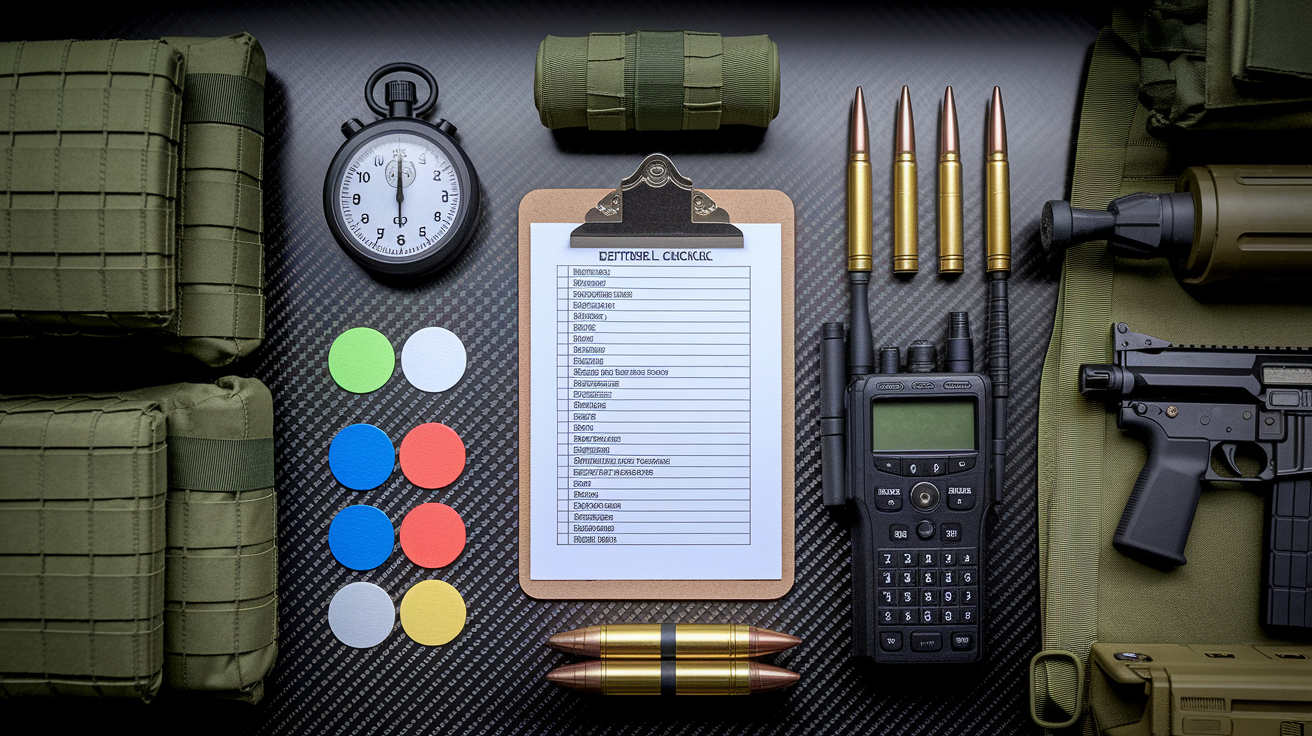
Every raid encounter shares the same structure. Adds spawn, mechanics trigger, team executes sequence, damage phase opens. LFG groups that treat each encounter like a unique puzzle? They waste time.
Apply a universal checklist and adjust the specifics per fight. The table below breaks prep into repeatable categories that work whether you’re running Vault of Glass or Salvation’s Edge.
| Task Category | What to Assign | Why It Matters | When to Confirm |
|---|---|---|---|
| Add Clear Coverage | Two dedicated players with SMGs, Auto Rifles, or wave frame launchers | Unchecked adds kill mechanic runners and wipe the team during DPS | Before first pull, confirm loadouts in fireteam screen |
| Buff/Debuff Positioning | Debuff player stands center front, buff anchor places Well/Bubble in DPS zone | Wrong positioning delays debuff application and scatters DPS players | During encounter explanation, mark ground positions verbally |
| Mechanic Handoff Rules | Primary runner passes relic/buff to backup if health drops below 30 percent | Prevents mechanic failure from one unlucky death | After first wipe, confirm who steps in if primary dies |
| Revive/Rotation Plans | Closest non mechanic player revives; if two die, call wipe | Bad revive timing kills the reviver and cascades into total wipe | Before second attempt, restate revive priority out loud |
| Emergency Fallback Roles | Flex player named as backup for runner, add clear, and champion stuns | Losing one player shouldn’t end the attempt if backup exists | After role assignments, ask flex player to repeat their backup duties |
| Ammo and Super Economy | Two players save heavy for boss, others use heavy on champions and majors | Running dry on heavy during DPS turns a one phase into a three phase | Before banner plant, confirm who holds heavy and who spends it early |
Use this table as a verbal checklist when regrouping after a wipe. Don’t re-explain the entire encounter. Walk through each row and ask “Do we have this covered?” Someone says no or stays quiet? Fix that gap before the next pull. LFG raids fall apart when leaders assume everyone remembers the plan from two wipes ago.
Loadout and Mod Standards for Smooth LFG Raids

Seasonal artifact perks decide whether your LFG group breezes through champions or wipes on the first Barrier Colossus. Every player should unlock anti champion perks in the first two columns of the artifact before joining a raid. Raid has Overload Champions? Someone must run an Overload weapon or grenade. Barrier Champions? At least two players need Anti Barrier Scout or Auto Rifle unlocked.
Check artifact unlocks in the fireteam menu. Someone shows up with zero champion counters? Send them back to the Tower or assign them pure add clear and hope for the best.
Survivability mods matter more than damage mods in LFG runs. New players die to chip damage because they run zero Resilience and no resist mods. Mandate Tier 7 Resilience minimum and one elemental resist mod matching the encounter’s dominant damage type. Concussive Dampener helps against splash damage from Cabal and Hive. Sniper Resist saves lives in any encounter with long sightlines.
Ammo economy mods are non negotiable. Every player should socket one Ammo Finder and one Scavenger for their special weapon, plus one for heavy if they’re the DPS anchor.
Weapon archetype recommendations depend on the encounter’s enemy density and boss vulnerability. High density add phases? Bring wave frame grenade launchers, chaining SMGs, or Sunshot. Armored bosses with precision spots? Bring Linear Fusion Rifles, Sniper Rifles, or Sleeper Simulant. Mobile bosses or short DPS windows? Bring Rocket Launchers with auto loading holster or swords with Lament.
Don’t run double primary unless the encounter has zero DPS check. Your teammates will notice and your damage will be embarrassing. Not sure what to bring? Copy the loadout of the highest stat player in your fireteam and adjust from there.
Communication Protocols and Callout Standards for LFG Success

Clear callouts save more LFG raids than perfect DPS. When six players scatter across an arena, the only thing holding the team together is voice communication. One person needs to own each callout type: mechanics, timers, threats.
Three people try to call the same Oracle sequence? The audio turns into mush and nobody knows which callout to follow. Assign one primary caller before the pull and tell everyone else to stay quiet unless they see something the caller missed.
Standardized callout practices:
- Use location shorthand. “Left”, “Mid”, “Right” or “L1”, “L2”, “L3” instead of vague descriptions.
- Call buff status immediately when you pick it up. “I have Operator”, “Relic is up on me”, “Stolen Favor acquired”.
- Announce threats that affect the whole team. “Overload Champion mid”, “Wipe mechanic in 10 seconds”, “Boss immune”.
- Confirm receipt of instructions with one word. “Copy”, “Got it”, “On it” so the caller knows you heard.
- Never talk over the primary caller during mechanic sequences. Save questions for after the wipe.
- Keep callouts short and factual. “Need revive left” beats “Oh my god I’m dead can someone please come get me I’m so sorry”.
Wipe call authority belongs to the fireteam leader or the most experienced player. When the attempt is unrecoverable, that person says “Wipe it” and everyone stops shooting, jumps off the map, or lets the timer run out. Don’t let one optimistic player drag a failed run for 90 more seconds because they think a miracle is coming.
Fast wipes and fast resets keep the group focused. After the wipe, the leader gives a 10 second regroup. “Good effort, runner needs to move faster, let’s go again.” Then pull the banner. Long post wipe debates kill momentum and spawn quitters.
Backup Role Systems and Contingency Planning for LFG Raids

Backup roles prevent one death from ending the attempt. In every raid encounter, at least two mechanics require a designated player: relic runner, buff carrier, symbol caller, core depositor. That player dies and nobody can step in? The encounter fails even if five players are still alive.
LFG groups that skip backup planning wipe every time the runner gets unlucky. Assign a primary and a backup for every critical role before the first pull.
The flex player is your insurance policy. This player gets no fixed assignment during the encounter. They float between add clear and support, stay alive, and watch for failures. Runner dies? Flex grabs the relic. Add clear anchor goes down? Flex shifts to their lane. Champion spawns in an unexpected spot? Flex moves to stun it.
The flex role requires the most game sense and the best situational awareness, so give it to your best player or someone who’s cleared the raid before. Never assign flex to a first timer.
Emergency swap steps:
- Call the failure immediately. “Runner down, flex take relic” so the backup knows to move.
- Backup steps into the failed role without asking for permission or confirmation.
- Remaining players cover the backup’s old responsibility until the mechanic completes.
- If the backup also dies, call the wipe. Don’t try to hero play with four people and broken mechanics.
- After the wipe, reassign roles if the same player keeps dying. Maybe they need add clear instead of runner.
Final Words
Assign roles the moment the lobby fills. Fast role assignments, a quick readiness check, and clear callouts cut confusion and wasted time.
Use the universal role templates, encounter prep checklists, and loadout rules to set expectations before the first pull. Practice the backup swaps and mic checks so you can recover without drama.
This Destiny 2 raid role assignments and encounter prep checklist for LFG groups is a tool you can reuse every run. Run it, tweak it, and watch your LFG success rate climb.
FAQ
Q: Is D2 worth playing in 2026?
A: Destiny 2 is worth playing in 2026 if you enjoy seasonal content, regular raid releases, group PvE, and steady gear progression; it rewards players who like cooperative challenges and long-term progression.
Q: What percentage of D2 players raid?
A: A minority of Destiny 2 players raid; community estimates put regular raiders around 5–15% of the active player base, varying by season, platform, and raid difficulty preference.
Q: How to do Destiny 2 lfg?
A: To do Destiny 2 LFG, use an LFG site or in-game finder, post a clear title with roles and checkpoint, state comms and expectations, then assign roles and run a quick readiness check.
Q: Is Vault of Glass farmable right now?
A: Vault of Glass is farmable only when Bungie rotates it into the playlist or enables legacy access; check the weekly activity rotation or LFG posts to confirm current farming availability.